Essentials · 4 min
Off-Plan vs Ready Properties in Dubai: Which Actually Makes Sense
Off-plan and ready properties in Dubai suit different buyers and different goals. Here's how payment plans, risk, yield timing, and Golden Visa eligibility actually compare.
This is usually framed as a binary choice, off-plan or ready, when it's really a question about what you're optimising for: capital outlay, timeline, risk tolerance, and what you want the asset to do for you. Neither is inherently better. Both are frequently sold as if they are.
The core difference
Off-plan means buying a unit before, or during, construction, directly from the developer, against a payment plan spread across the build period (and sometimes beyond, into post-handover).
Ready means buying a completed, handed-over unit, either from the original developer's remaining stock or on the secondary (resale) market, where you pay the full price (or arrange a mortgage) and take the title deed on transfer.
Capital outlay and payment structure
Off-plan is the lower-barrier entry point. A typical structure is a 10–20% down payment, followed by instalments tied to construction milestones, often 60/40 or 70/30 splits between during-construction and on/after-handover payments. Some developers now offer extended post-handover plans running 2–5 years past completion, which materially lowers the cash needed today relative to a ready purchase of similar value.
Ready property requires the full price up front, either in cash or via mortgage, where non-resident buyers should expect down payment requirements in the 35–50% range (see The Real Cost of Buying Property in Dubai).
If capital efficiency and getting more exposure per dirham deployed today is the priority, off-plan generally wins on that single dimension.
Risk profile
This is where the two genuinely diverge, and where most of the honest conversation needs to happen.
Off-plan risk: construction delays (common, though escrow account regulations have meaningfully reduced the worst-case "developer disappears" scenario compared to a decade ago), the finished product not matching the marketing renders exactly, and market conditions shifting between purchase and handover, you're buying today's price for tomorrow's asset. Your recourse and protection depend heavily on the specific developer's track record and the strength of the sales and purchase agreement, which is why we'd always push a client to look at that developer's last two or three completed projects, not just the current brochure.
Ready property risk: you're buying a known, inspectable asset, what you see is what you get, and you can assess actual building quality, actual service charge history, actual tenant demand, and actual rental achieved (not projected) before committing. The risk here is closer to standard property risk: overpaying, buying in a building with poor management, or misjudging the area.
Yield and rental timing
Ready property can start generating rental income immediately (or as soon as you find a tenant), which matters if cash flow from day one is part of your plan. Off-plan generates no income during the build period, your capital is committed but unproductive until handover, sometimes 2–4 years out. Where off-plan can outperform is capital appreciation captured between purchase and handover in a rising market, since you locked in today's price. That's a market-timing bet, not a guarantee, and it can work against you exactly as easily as for you.
Neither structure changes the underlying rule: yield is a function of the asset and the area, not the purchase method. See Dubai Rental Yields vs Capital Appreciation.
Golden Visa eligibility
Both count. Off-plan purchases from RERA-registered developers with proper Oqood documentation are eligible toward the AED 2 million Golden Visa threshold, the same as ready property, full detail in our Golden Visa guide.
Resale considerations
Off-plan units can often be resold before handover (subject to developer rules and a minimum percentage paid), which some investors use as a shorter-term strategy, buy early at launch pricing, resell closer to completion. This carries its own transaction costs and depends entirely on demand holding up in that specific project, which is not guaranteed. Ready property resale is the more conventional secondary-market transaction, with an established comparable sales history you can actually check against DLD transaction data, something you generally can't do for a brand-new off-plan launch.
Which suits which buyer
Off-plan tends to suit: buyers comfortable with a multi-year horizon, those prioritising capital efficiency over immediate income, buyers targeting a specific new master-planned community not yet available as ready stock, and those doing real diligence on the developer rather than buying on the strength of a sales gallery.
Ready tends to suit: buyers who want income now, buyers who want to inspect exactly what they're getting, buyers targeting an established area with a real transaction and rental history to underwrite the decision, and anyone less comfortable carrying construction-period risk.
Frequently asked questions
Is off-plan riskier than ready property in Dubai? It carries different risks, not simply more risk. Escrow protections have reduced the historical worst-case outcomes significantly, but construction delays and market timing remain real factors that ready property doesn't carry in the same way.
Can I get a mortgage on an off-plan property? Some banks offer off-plan mortgages, typically with lower LTV than for ready property (often around 50%), and usually only once the project reaches a certain construction milestone. Terms vary significantly by bank and developer.
Which appreciates faster, off-plan or ready? Neither structure guarantees appreciation, it depends on the specific project, developer, location, and broader market conditions at the time. Off-plan can capture appreciation between launch and handover in a rising market, but the same dynamic works in reverse in a flat or falling one.
Should I always negotiate the price on off-plan property? Developer pricing is generally less negotiable than resale pricing, though payment plan terms, fee waivers (DLD fee contribution, no agency commission on primary sales), and unit selection often have more flexibility than the headline price does.
The right answer depends on what you actually need this property to do, income now, exposure at the lowest entry cost, or a specific finished asset you can inspect. Message me on WhatsApp and I'll give you a straight read on which fits your situation, including projects and buildings I wouldn't recommend.
Featured opportunities
If you're researching Dubai and Abu Dhabi, these are the developments I'm personally representing right now.
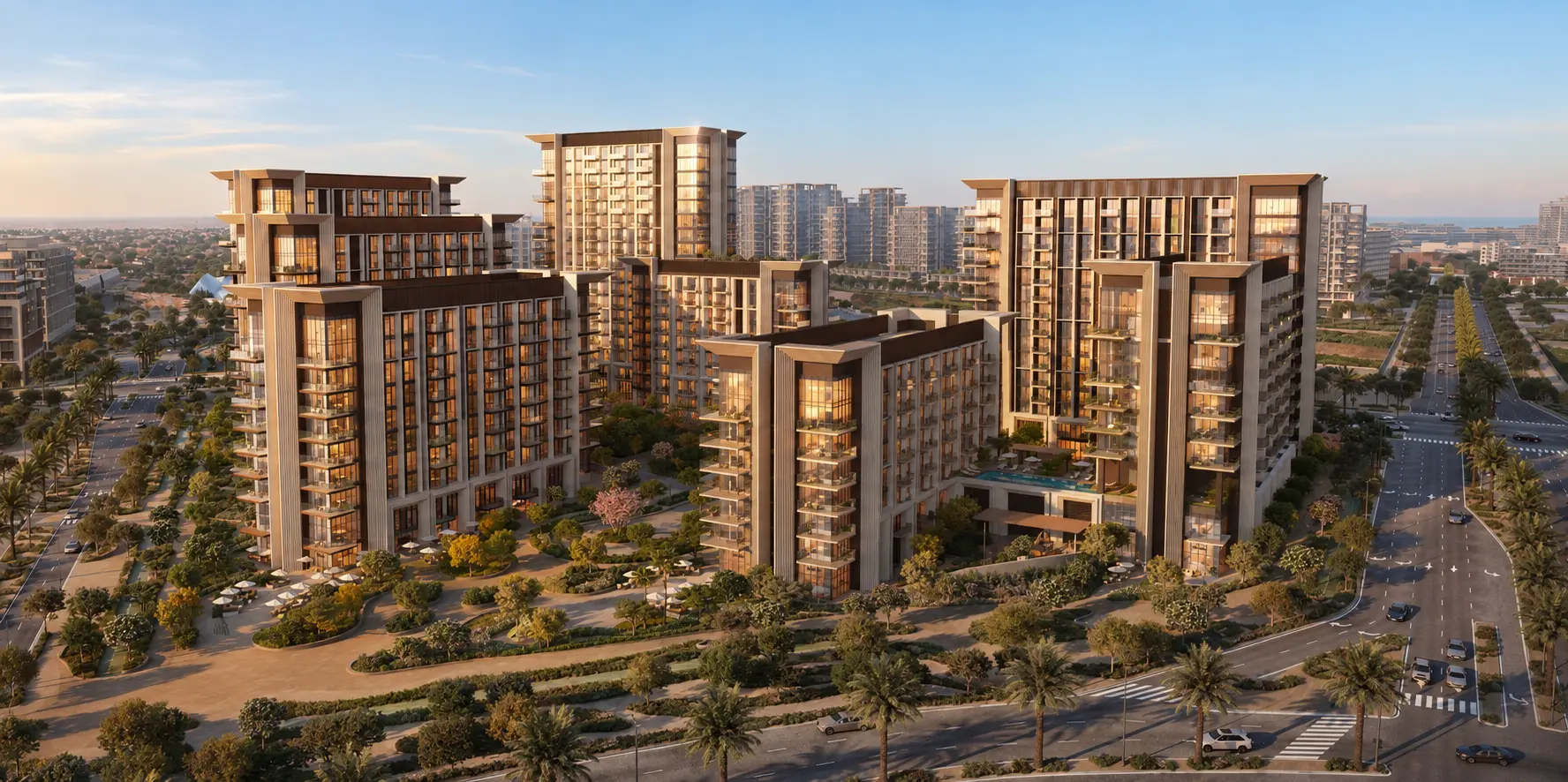
Saadiyat Island, Abu Dhabi
Sei, Saadiyat
From AED 2.95M
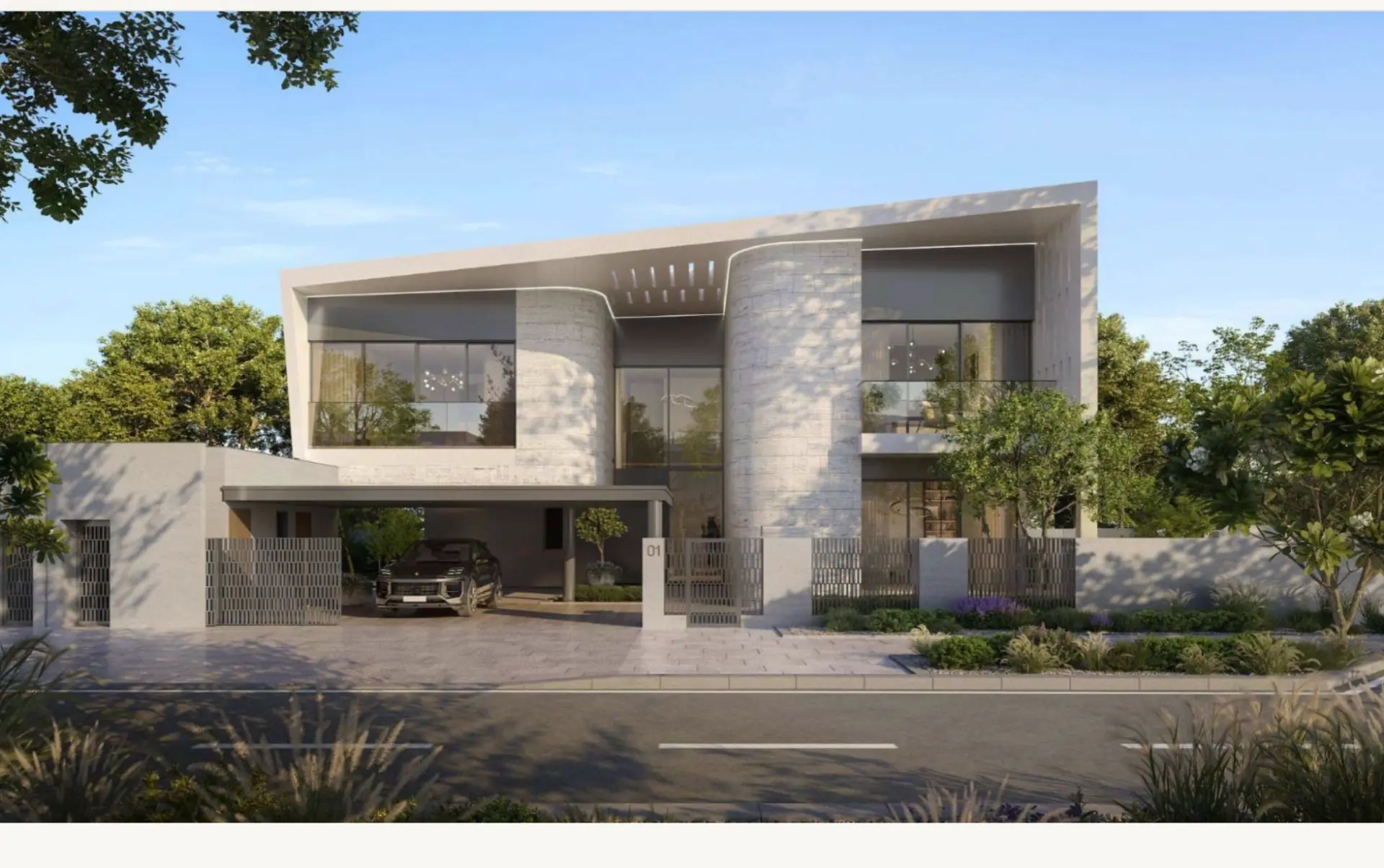
Marsa Al Saadiyat, Abu Dhabi
Talay, Marsa Al Saadiyat
From AED 13.5M
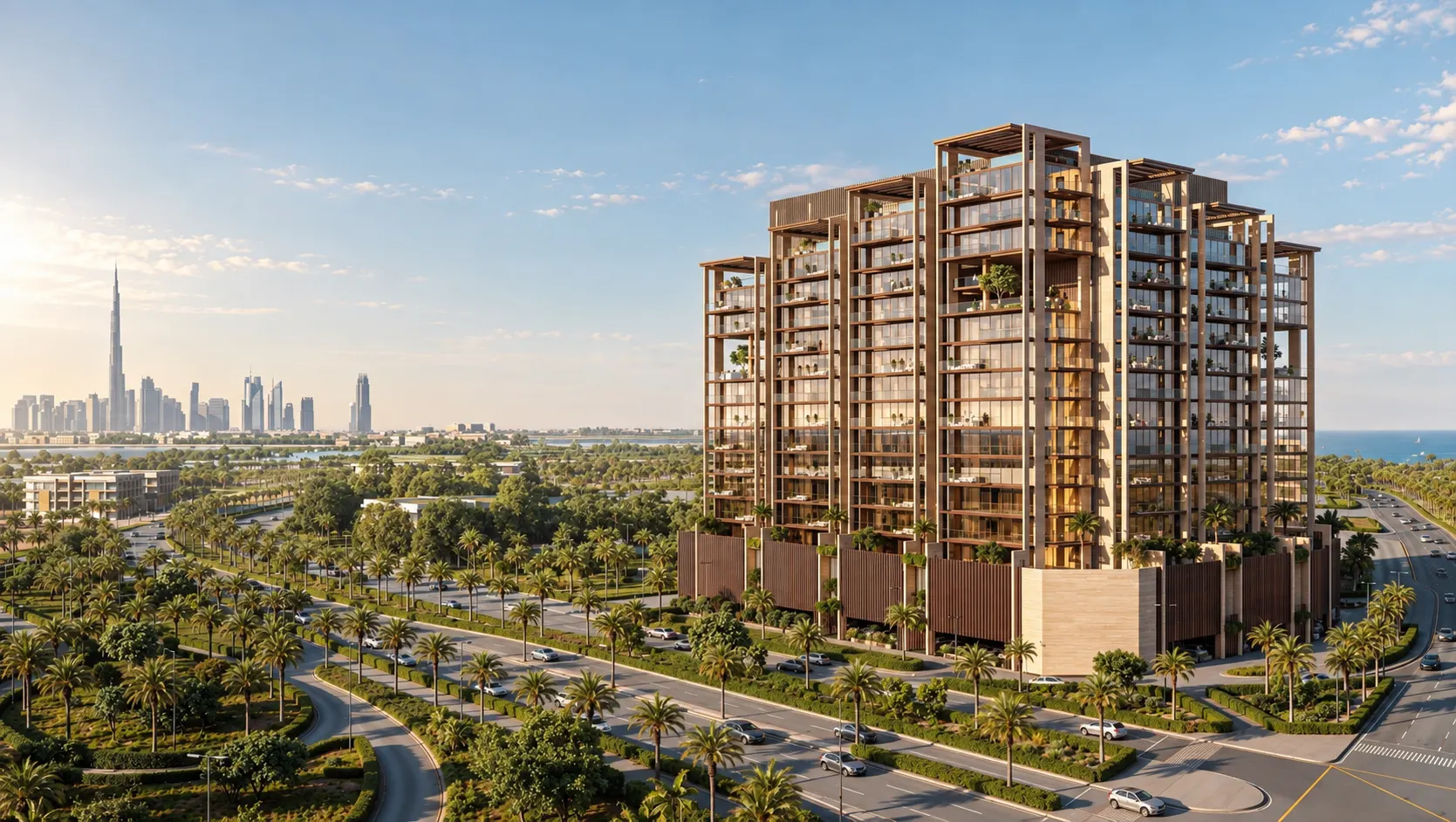
Dubai Islands, Dubai
Sea Cliff, Dubai Islands
Price on request
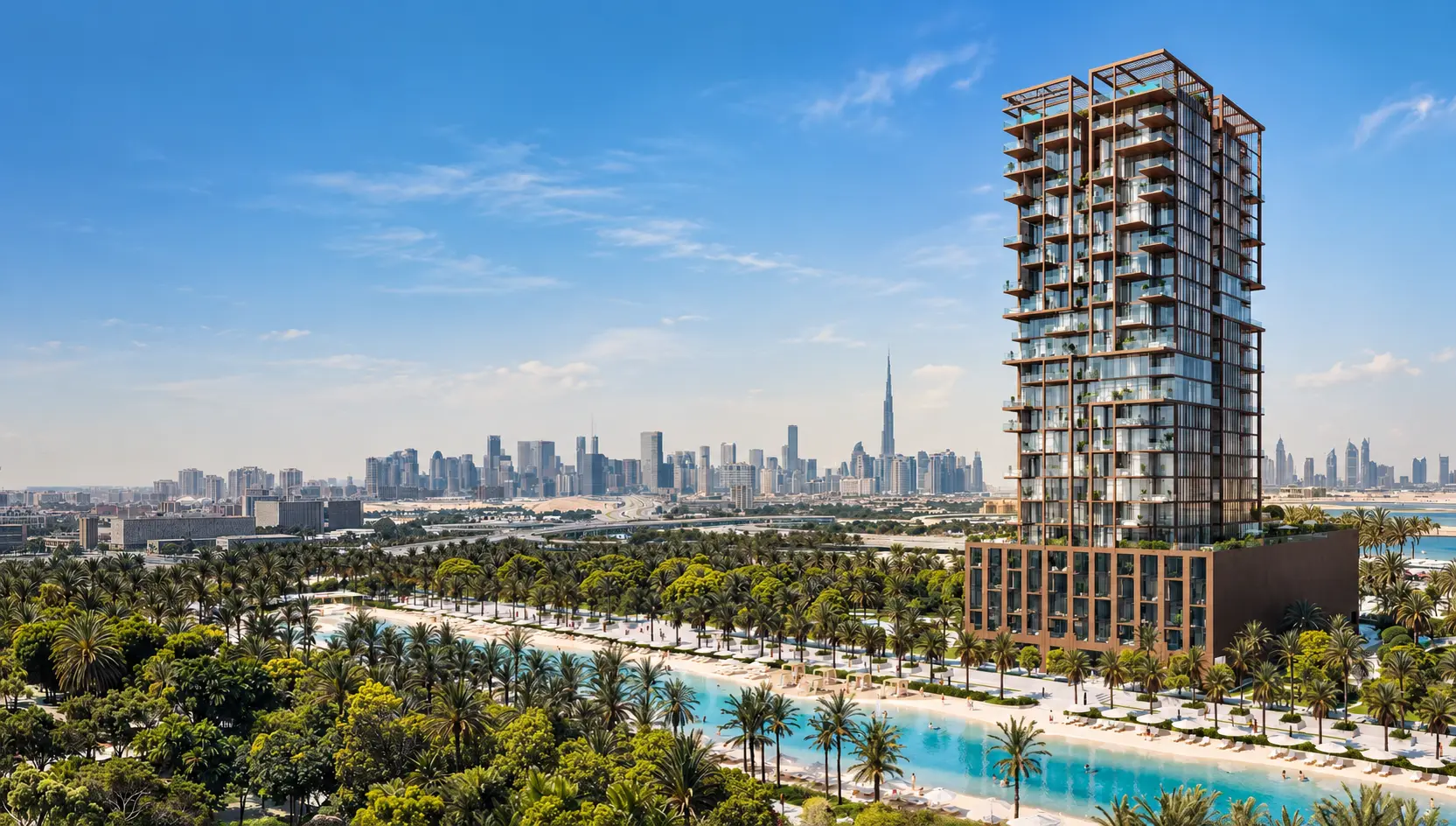
Meydan, Dubai
Wynwood Horizon
From AED 1.97M

Dubai Sports City, Dubai
Hadley Heights 2
From AED 1.76M

Dubailand, Dubai
Weybridge Gardens 4
From AED 1.54M
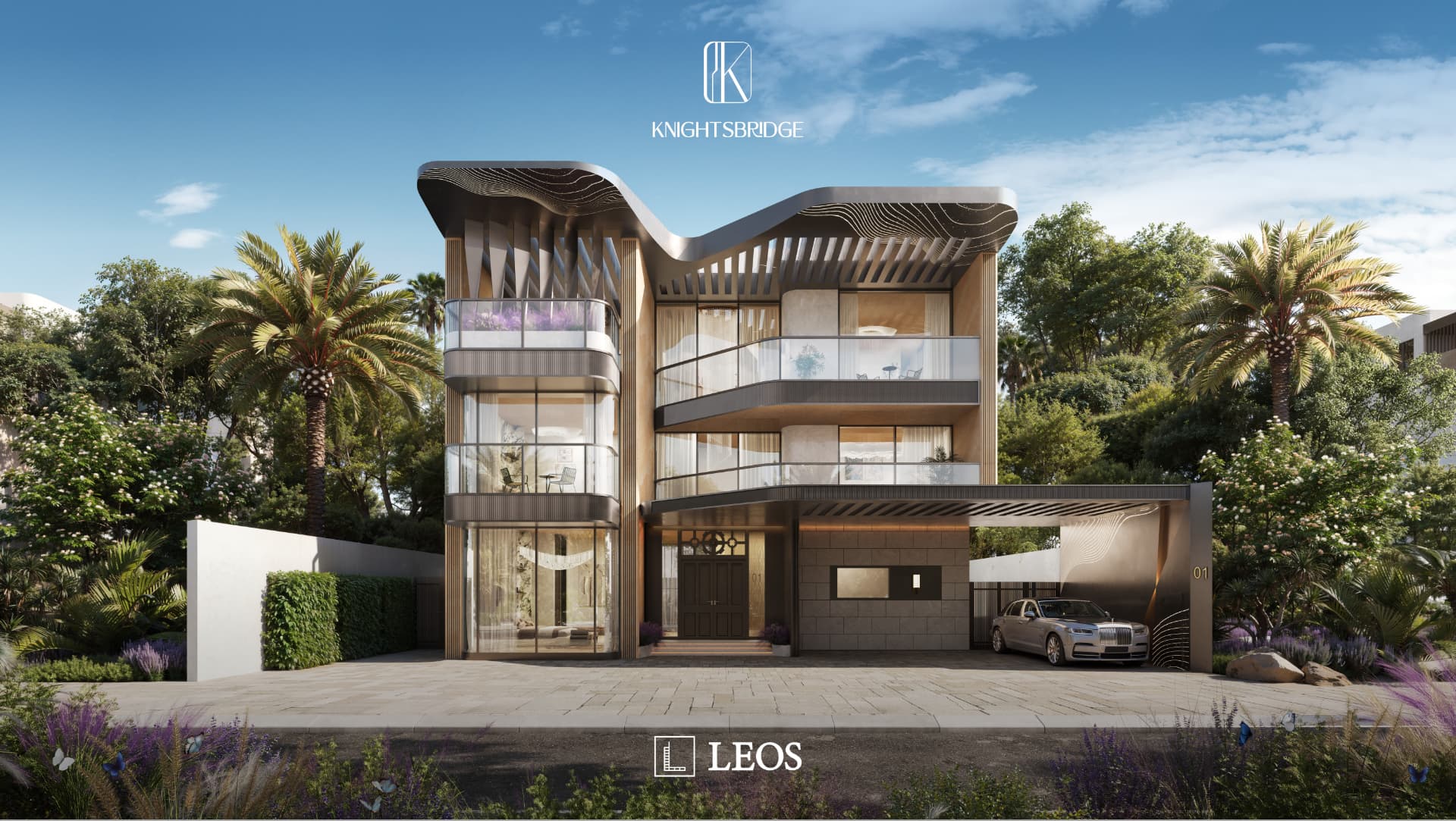
District 11, Meydan, Dubai
Knightsbridge Phase 2
From AED 13.81M