Essentials · 5 min
Buying Property in Dubai as a Foreigner: The Complete Guide
Can foreigners buy property in Dubai? Yes, in designated freehold areas, with full ownership. Here's the full process, costs, and what to check before you sign.
Yes, foreigners can buy property in Dubai, own it outright, and hold the title deed in their own name. No local sponsor, no residency requirement, no citizenship test. That's the short answer. The longer answer is where most of the value is, because "you're allowed to buy" and "you're buying the right thing, the right way, at the right price" are very different conversations.
This guide covers what actually matters if you're serious about it: where you're legally allowed to buy, what it costs beyond the sticker price, how the process runs from offer to keys, and the mistakes that show up most often with overseas buyers.
Where can foreigners buy in Dubai?
Full foreign ownership (freehold) is only available in designated freehold zones, but Dubai has made these zones broad enough that this is rarely a real constraint if you're looking at the areas most investors and relocators actually want. Downtown Dubai, Dubai Marina, Business Bay, Palm Jumeirah, DIFC, Dubai Hills Estate, Dubai Creek Harbour, JLT, City Walk, and most of the newer master-planned communities (Tilal Al Ghaf, The Acres, Emaar South) are all freehold. Outside these zones, property is typically only available to UAE and GCC nationals, or on long leasehold structures.
Practically: if you're looking at a well-known, well-built community with genuine end-user and investor demand, it's almost certainly freehold. The areas to be careful of are the lesser-known developments where "ownership" turns out to mean a 99-year lease dressed up to look like a sale, always confirm freehold status on the specific plot before you get emotionally attached to a unit.
What it actually costs
The purchase price is the headline number. The real number is 7–10% higher, made up of:
- DLD transfer fee - 4% of the purchase price, paid to the Dubai Land Department. Technically split 2%/2% between buyer and seller, but in practice this is almost always paid in full by the buyer.
- Agency commission, typically 2% of the purchase price plus 5% VAT.
- Trustee office registration fee - AED 4,000 plus VAT for properties over AED 500,000 (AED 2,000 plus VAT below that).
- Title deed issuance, around AED 580 for most ready units.
- NOC fee, the developer's no-objection certificate, ranging from AED 500 to AED 5,000 plus VAT, required before a resale can be registered.
- Mortgage registration (if financing) - 0.25% of the loan amount plus an admin fee.
We've written a full breakdown with worked examples in The Real Cost of Buying Property in Dubai, worth reading before you set a budget, because the difference between "I have AED 3M to spend" and "I have AED 3M including costs" is roughly AED 250,000.
Financing as a non-resident
You don't need to be a UAE resident to get a mortgage here, but the terms are less generous than for residents. Non-resident buyers typically face down payment requirements in the 35–50% range depending on the bank, versus 20–25% for expat residents on a first property. Rates and terms vary meaningfully by lender, and this is one area where working with a mortgage broker who deals specifically in non-resident lending is worth far more than the fee.
Plenty of overseas buyers simply buy in cash, particularly at the price points where Golden Visa eligibility (AED 2 million and above) comes into play, see our full Golden Visa guide if residency is part of your thinking.
The process, step by step
- Define the brief before you look at anything. Budget including costs, purpose (yield, capital growth, personal use, visa eligibility), timeline, and non-negotiables. Most bad Dubai property decisions trace back to skipping this step and falling for the first well-staged show apartment.
- View properties, in person or remotely. Remote buyers should insist on a live video walkthrough, not just marketing photos and floor plans, angles, natural light, noise, and finish quality don't always survive translation into a brochure.
- Agree terms and sign the MOU (Form F). This is the reservation agreement between buyer and seller, typically with a deposit of 10% held in escrow.
- Obtain the NOC from the developer. Confirms no outstanding service charges or liabilities on the unit.
- Transfer at the Dubai Land Department trustee office. Both parties attend (or via power of attorney), remaining funds and fees are settled, and the title deed is issued in the buyer's name, usually the same day.
For off-plan purchases the process differs meaningfully, you're buying against a payment plan and an Oqood (pre-registration), not a completed title deed. That's covered in Off-Plan vs Ready Properties in Dubai.
What catches overseas buyers out
Buying on yield alone. A headline "8% net yield" figure is only useful once you know what it's net of, over what time period, and whether it's achievable at current market rents rather than the developer's optimistic projection. Yield is an output of the asset, service charges, location, and tenant demand, not an input you should be shopping by.
Underestimating service charges. These vary enormously by building, from under AED 10 per sq ft to over AED 25 per sq ft annually, and directly affect your real return. See Service Charges in Dubai Explained.
Not checking developer track record on off-plan. Escrow account protections exist, but a developer's history of delivering on time, to spec, matters enormously to your actual experience as an owner.
Treating every "premium" area the same. Downtown, Marina, DIFC, and Business Bay are all freehold, all central, and all get marketed similarly, but they suit genuinely different buyers and behave differently as investments. This is exactly why area-specific research matters more than generic "Dubai is booming" content.
Frequently asked questions
Can foreigners get full ownership of property in Dubai, or is it always leasehold? In designated freehold zones, which cover most of the areas foreign buyers actually want, ownership is full freehold, held in your name on the title deed, with no time limit and no local sponsor required.
Do I need to be in Dubai to buy? No. The MOU, NOC, and even the final transfer can be handled via a registered power of attorney if you can't attend in person, though we'd always recommend viewing the physical unit or getting a trusted, independent set of eyes on it first.
Is buying property enough to get residency in Dubai? Only above the AED 2 million threshold, and only through the specific Golden Visa property route, buying below that doesn't itself grant residency. Full detail in our Golden Visa guide.
How long does the buying process take once I've found the right property? For a ready property with cash funding, transfer can happen within 1–2 weeks of agreeing terms. Financed purchases and off-plan resales typically take longer due to bank approvals and developer NOC processing.
If you're weighing up whether Dubai fits your situation, the conversation is more useful before you've picked a property than after. Message me on WhatsApp and I'll give you a straight answer, including if the answer is "not yet."
Featured opportunities
If you're researching Dubai and Abu Dhabi, these are the developments I'm personally representing right now.
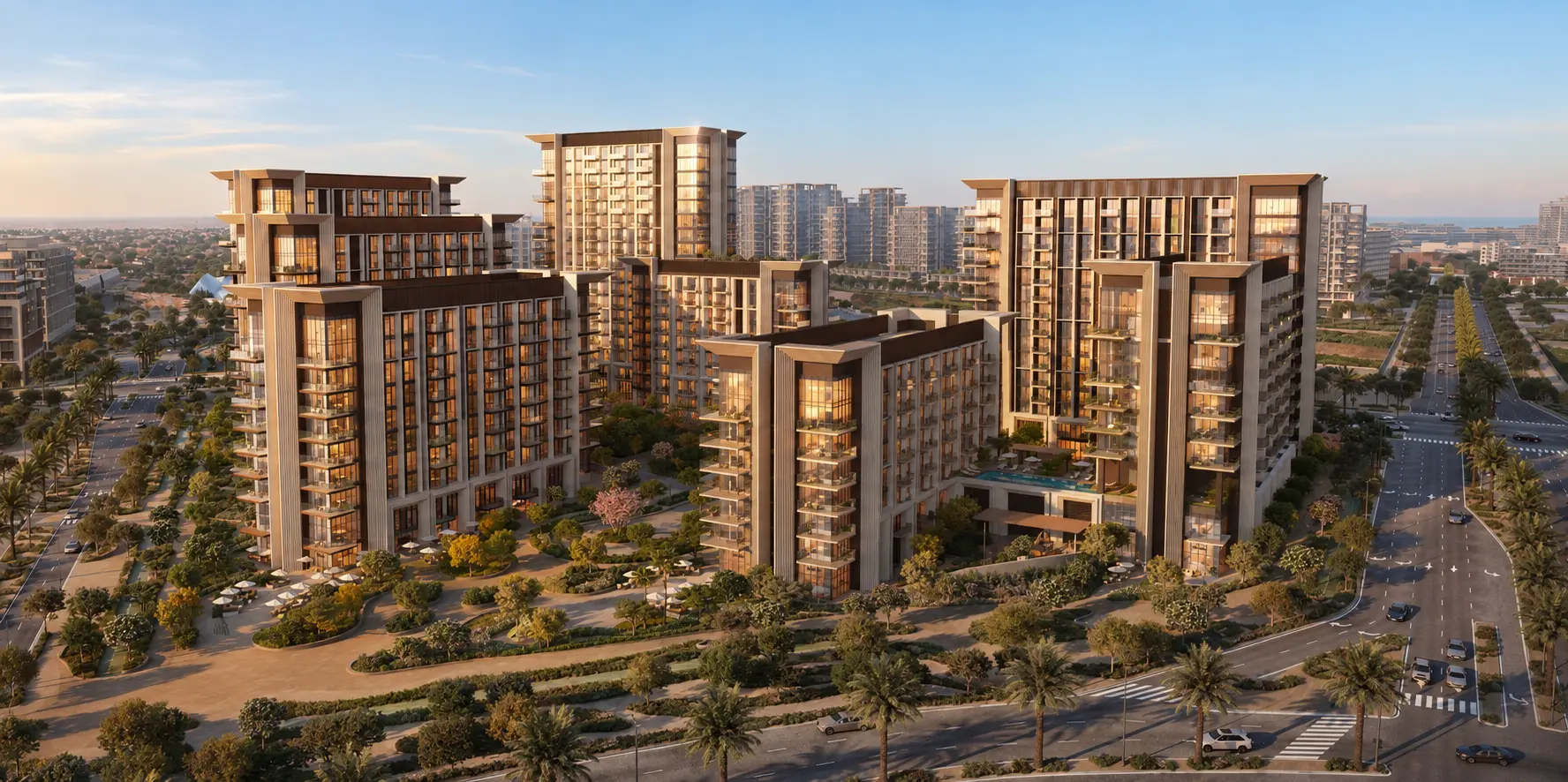
Saadiyat Island, Abu Dhabi
Sei, Saadiyat
From AED 2.95M
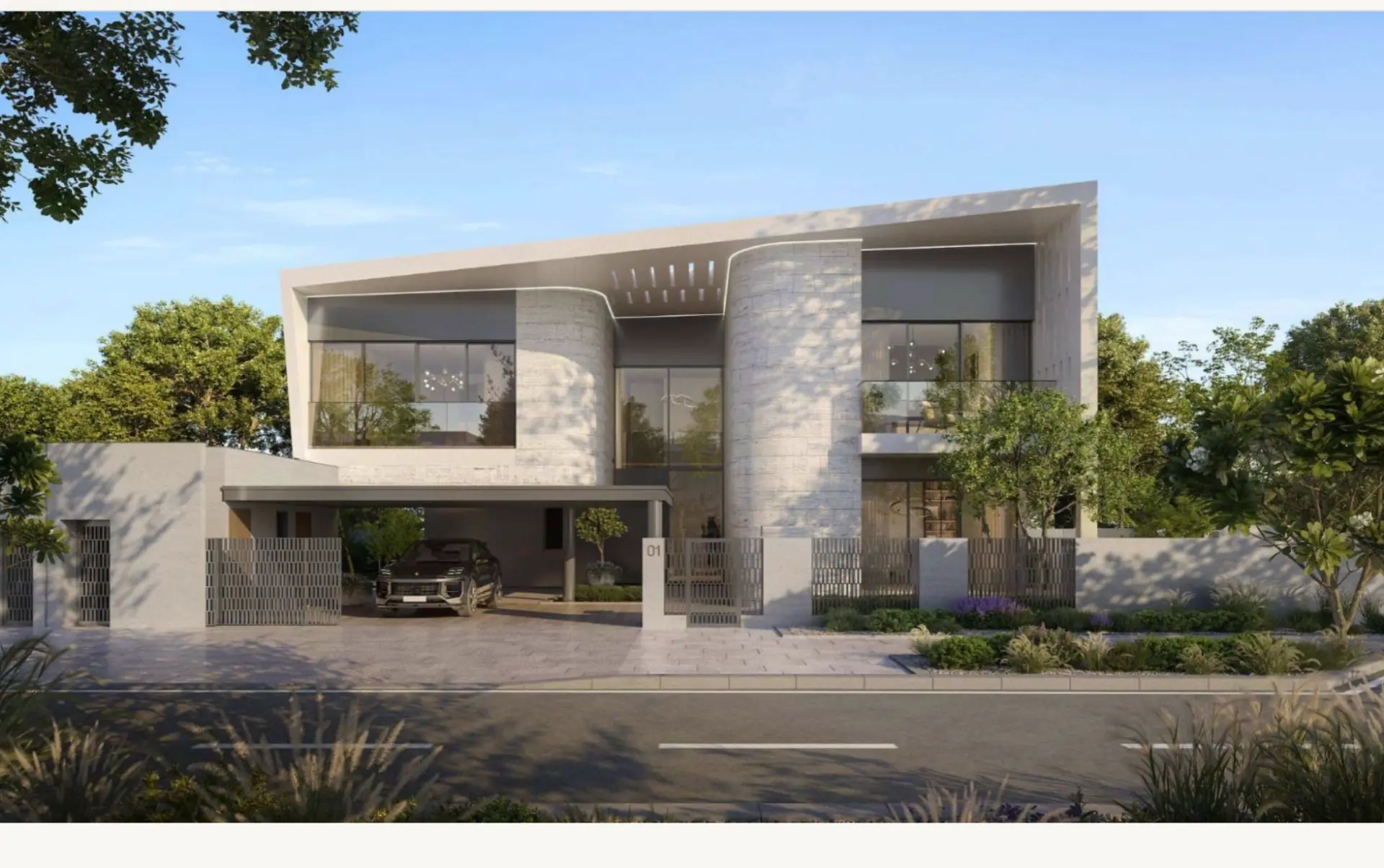
Marsa Al Saadiyat, Abu Dhabi
Talay, Marsa Al Saadiyat
From AED 13.5M
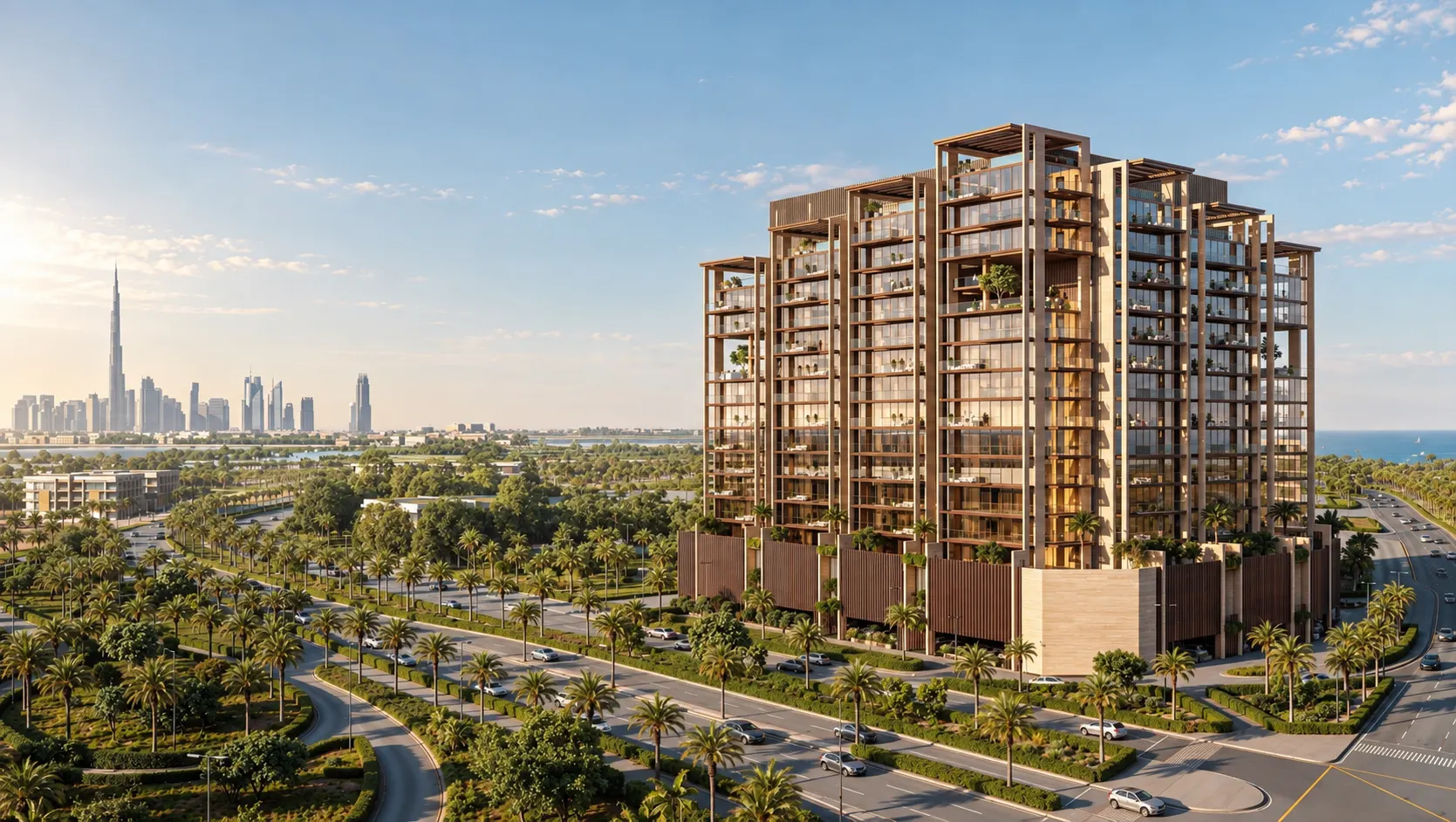
Dubai Islands, Dubai
Sea Cliff, Dubai Islands
Price on request
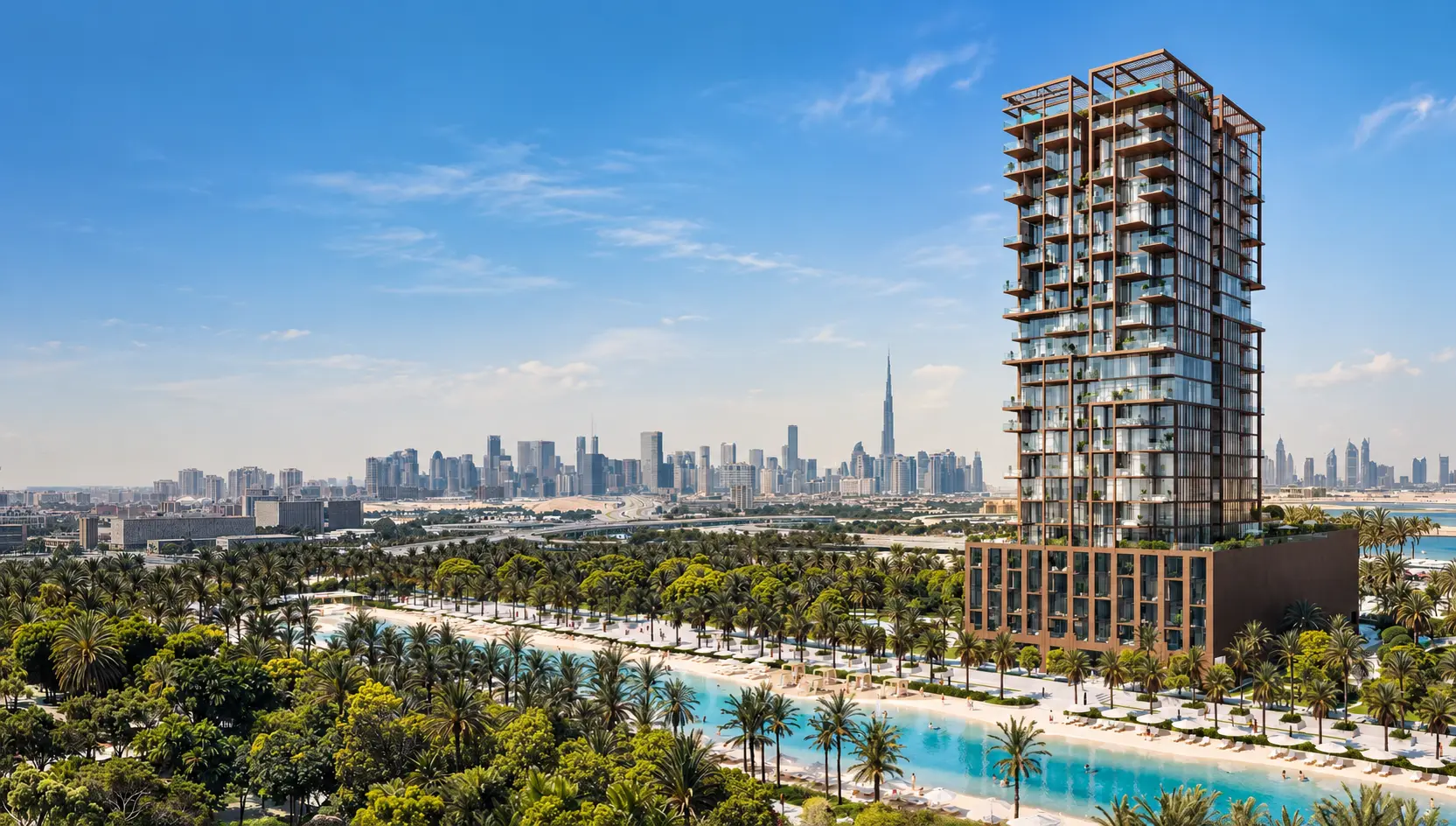
Meydan, Dubai
Wynwood Horizon
From AED 1.97M

Dubai Sports City, Dubai
Hadley Heights 2
From AED 1.76M
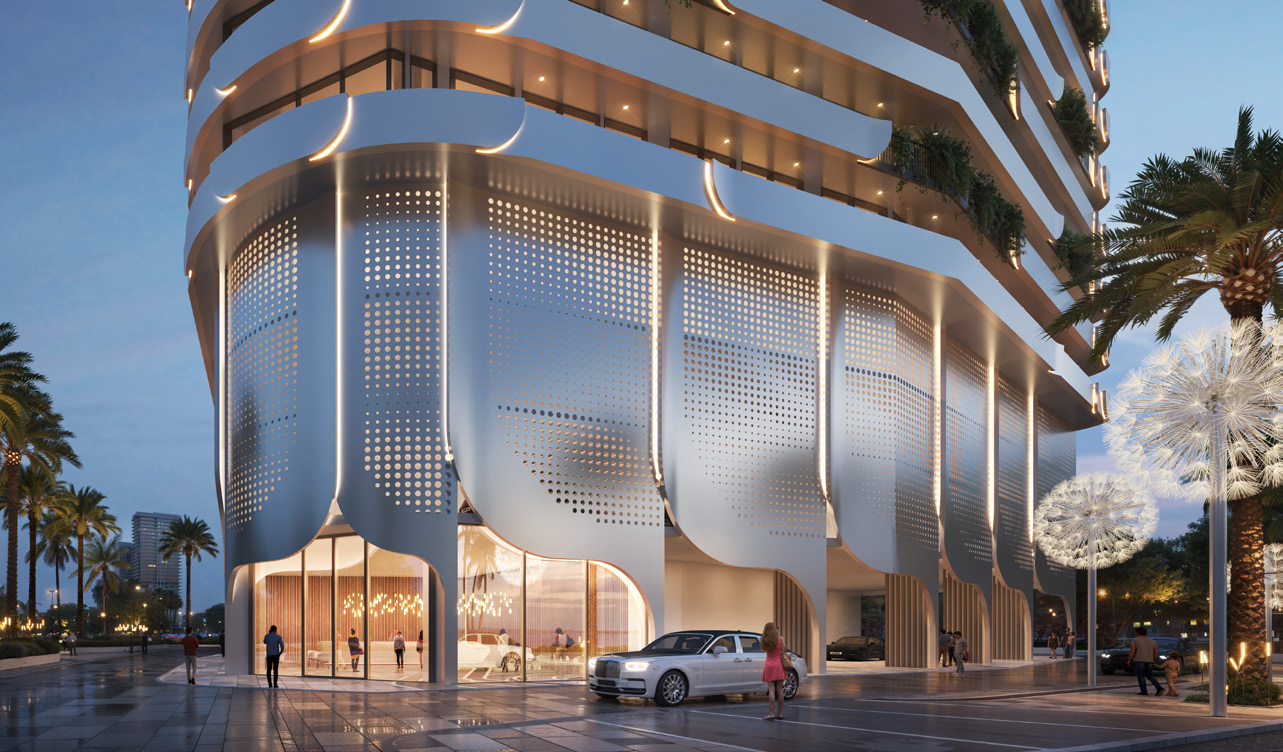
Dubailand, Dubai
Weybridge Gardens 4
From AED 1.54M
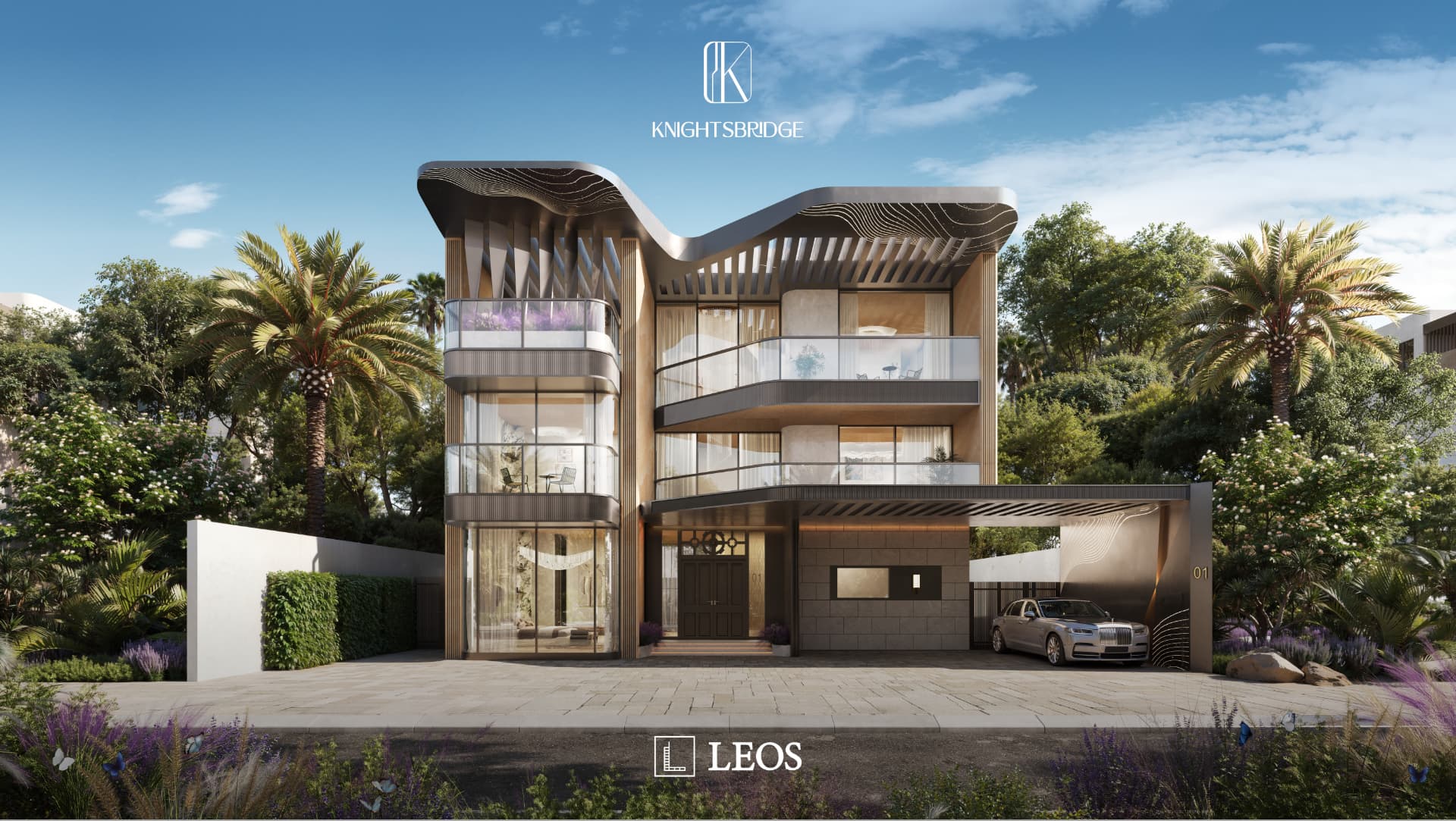
District 11, Meydan, Dubai
Knightsbridge Phase 2
From AED 13.81M