Dubai market · 3 min
Prime Dubai in 2026: where the value actually sits
Headline growth is no longer the story. The spread between communities is, and it is wider than at any point since 2020.
Last updated 28 July 2026

For three years the question was simply whether to buy. That question has closed. The market has repriced, absorbed record supply, and settled into something more discriminating. The question now is where, and on what terms.
Divergence is the signal
The clearest signal in the last four quarters is divergence. Island and beachfront stock with genuine scarcity - Palm Jumeirah signature plots, Jumeirah Bay, a handful of Emirates Hills positions, has continued to set records on very thin volume. Meanwhile the broader apartment market has flattened, and in some off-plan pockets it has softened outright.
This is healthy. A market where everything rises together is a market where nothing is being priced properly. What it means practically is that the buyer's advantage has moved from timing to selection.
What I check before anything else
Three things I look at before anything else: transaction depth in the specific building or frond, the ratio of resale to off-plan supply arriving within eighteen months, and service charge trajectory. The third is the one most buyers ignore and most regret ignoring.
The choice between off-plan and resale sits underneath all three, and it is rarely decided by the payment plan.
If you are holding rather than buying
If you are holding rather than buying, the calculation has changed too. Rental yields in well-managed towers remain strong enough that a hold is rarely wrong, but the gap between a well-managed building and a poorly managed one now shows up directly in achievable rent. That gap is clearest in the mature rental districts, where tenants have real choice.
Related analysis
Common questions
- Is Dubai property still rising in 2026?
- Not uniformly. Scarce island and beachfront stock has continued to set records on thin volume, while the broader apartment market has flattened and some off-plan pockets have softened.
- What matters most when choosing a building?
- Transaction depth in that specific building, the volume of competing supply arriving within eighteen months, and the service charge trajectory.
Featured opportunities
The developments this analysis applies to, and the ones I'm personally representing right now.
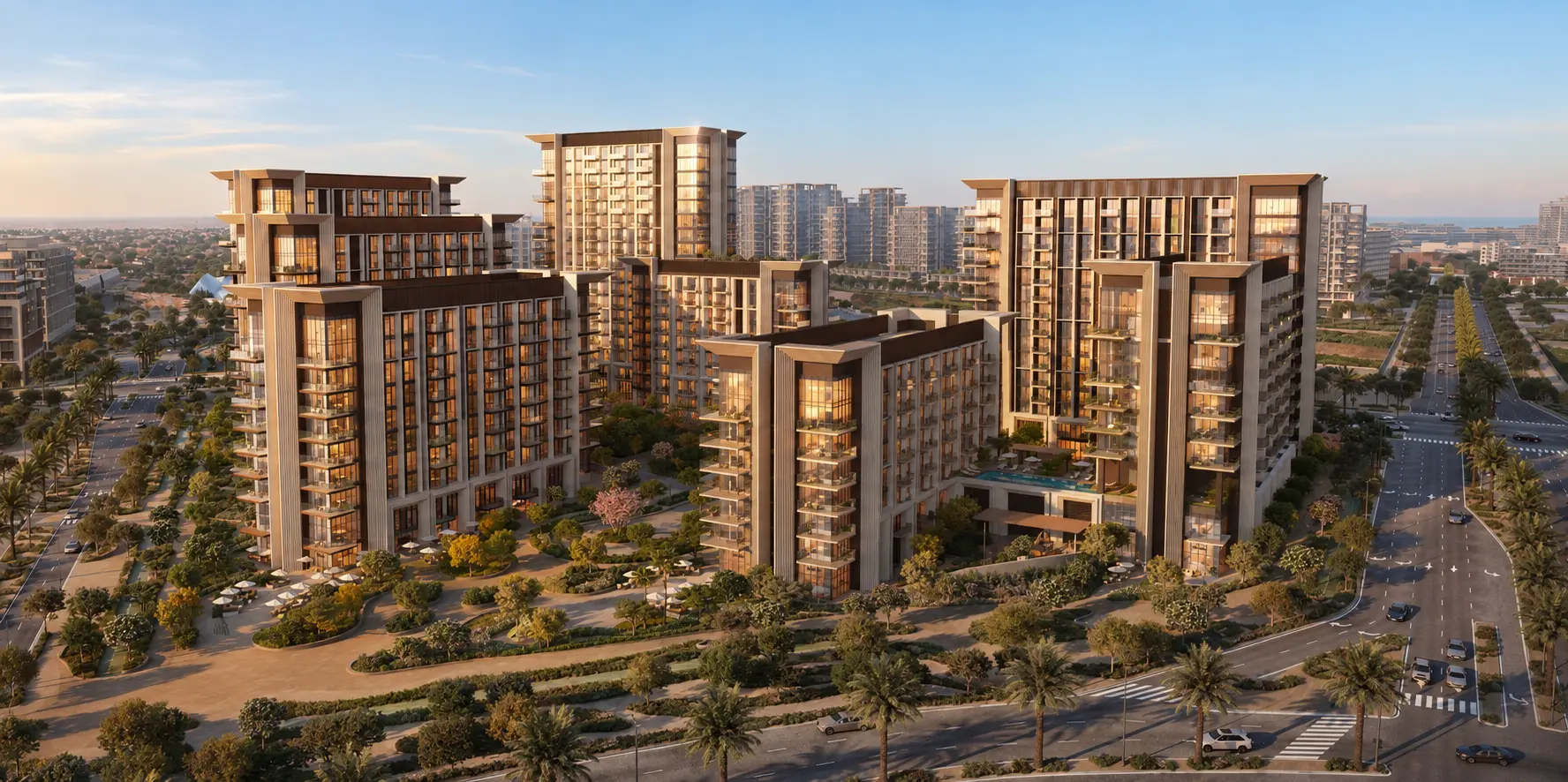
Saadiyat Island, Abu Dhabi
Sei, Saadiyat
From AED 2.95M
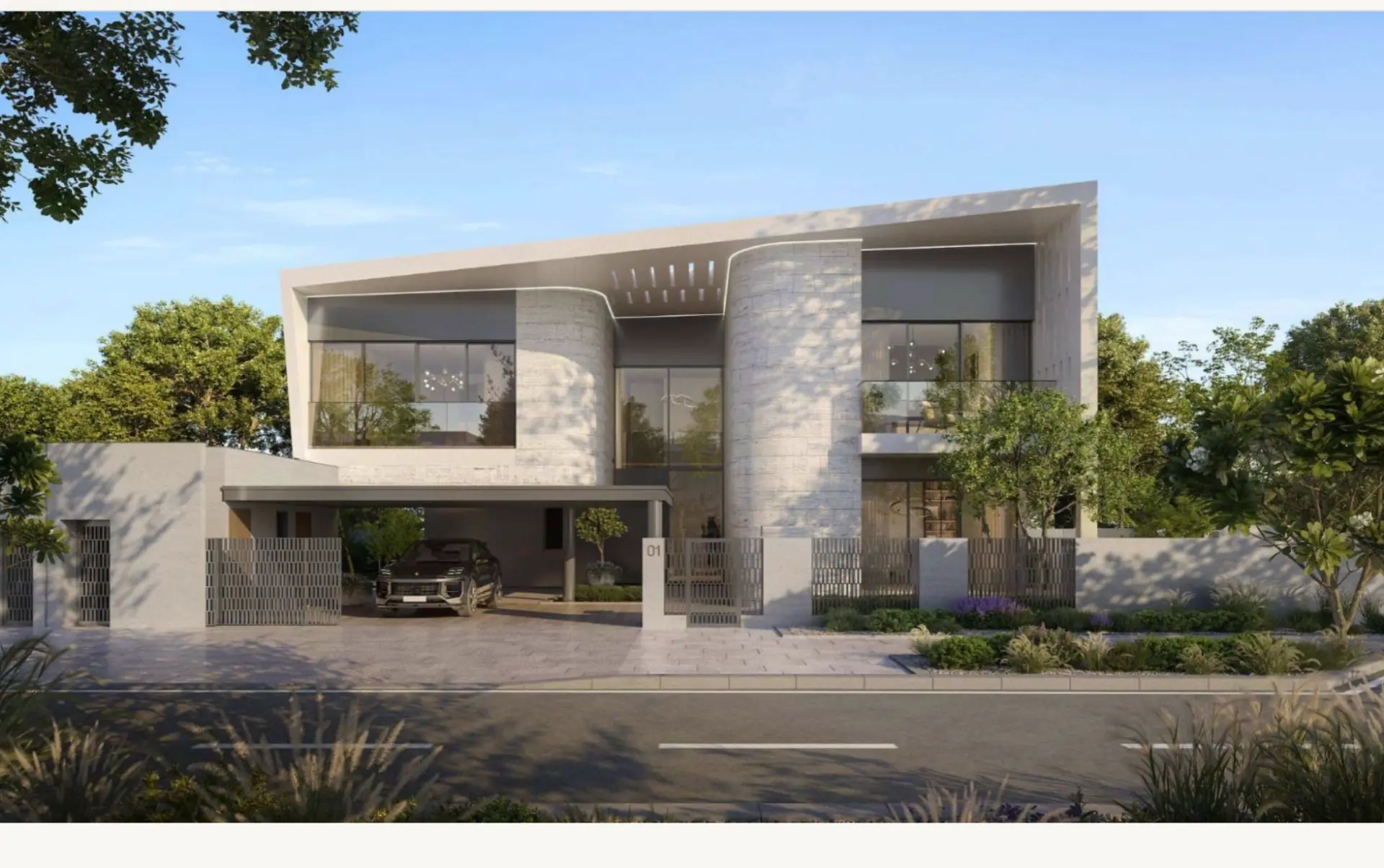
Marsa Al Saadiyat, Abu Dhabi
Talay, Marsa Al Saadiyat
From AED 13.5M
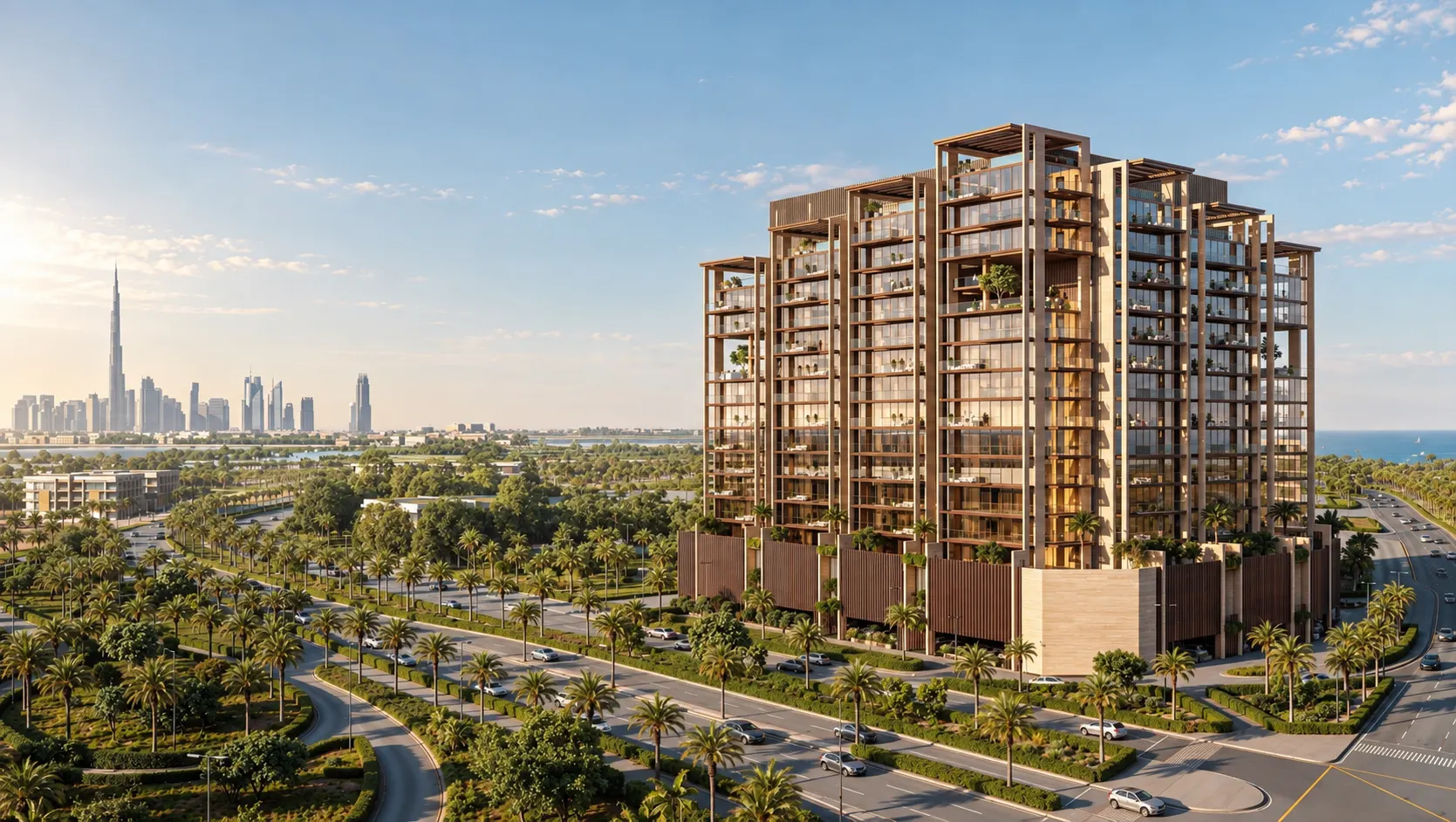
Dubai Islands, Dubai
Sea Cliff, Dubai Islands
Price on request
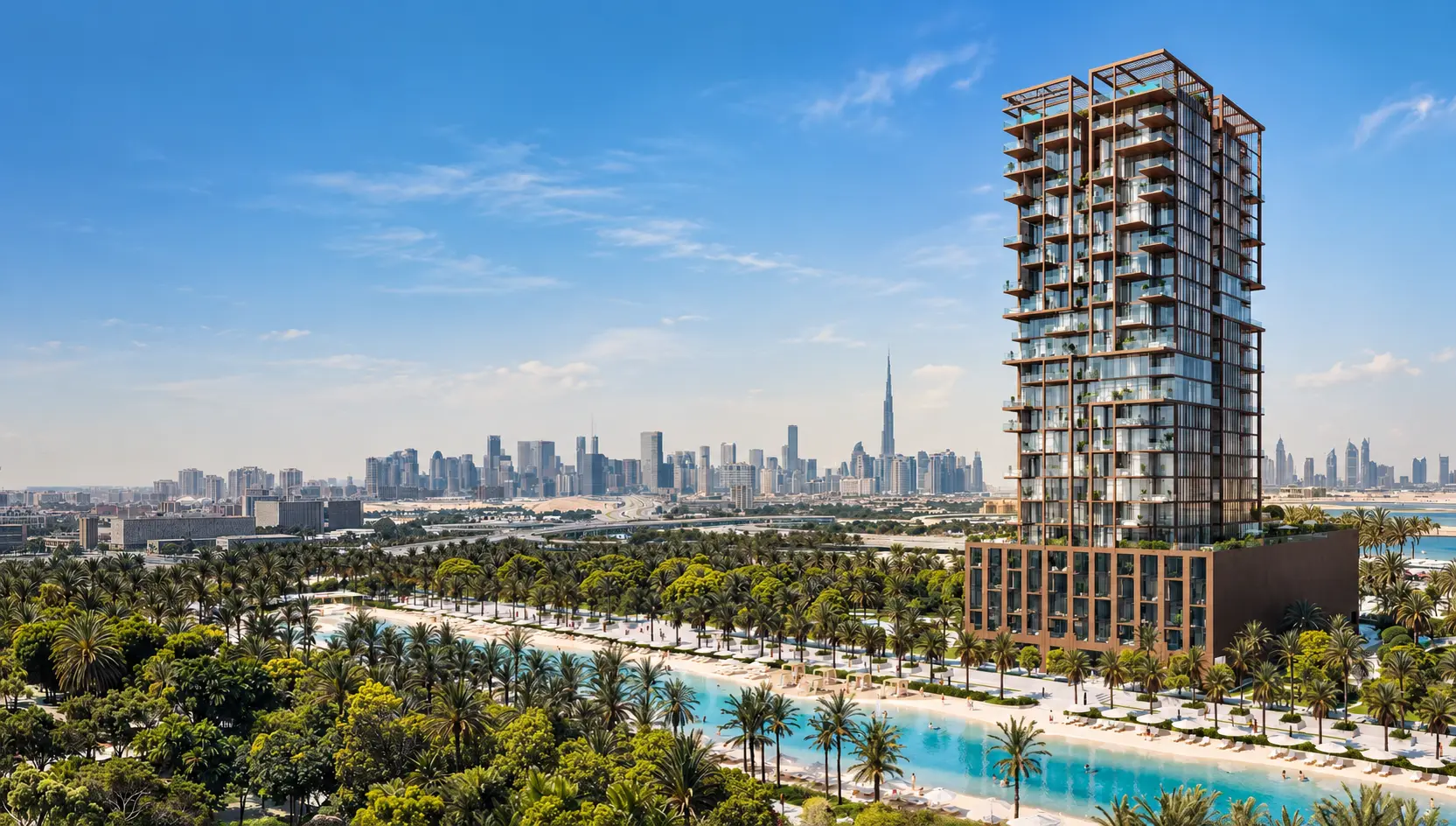
Meydan, Dubai
Wynwood Horizon
From AED 1.97M
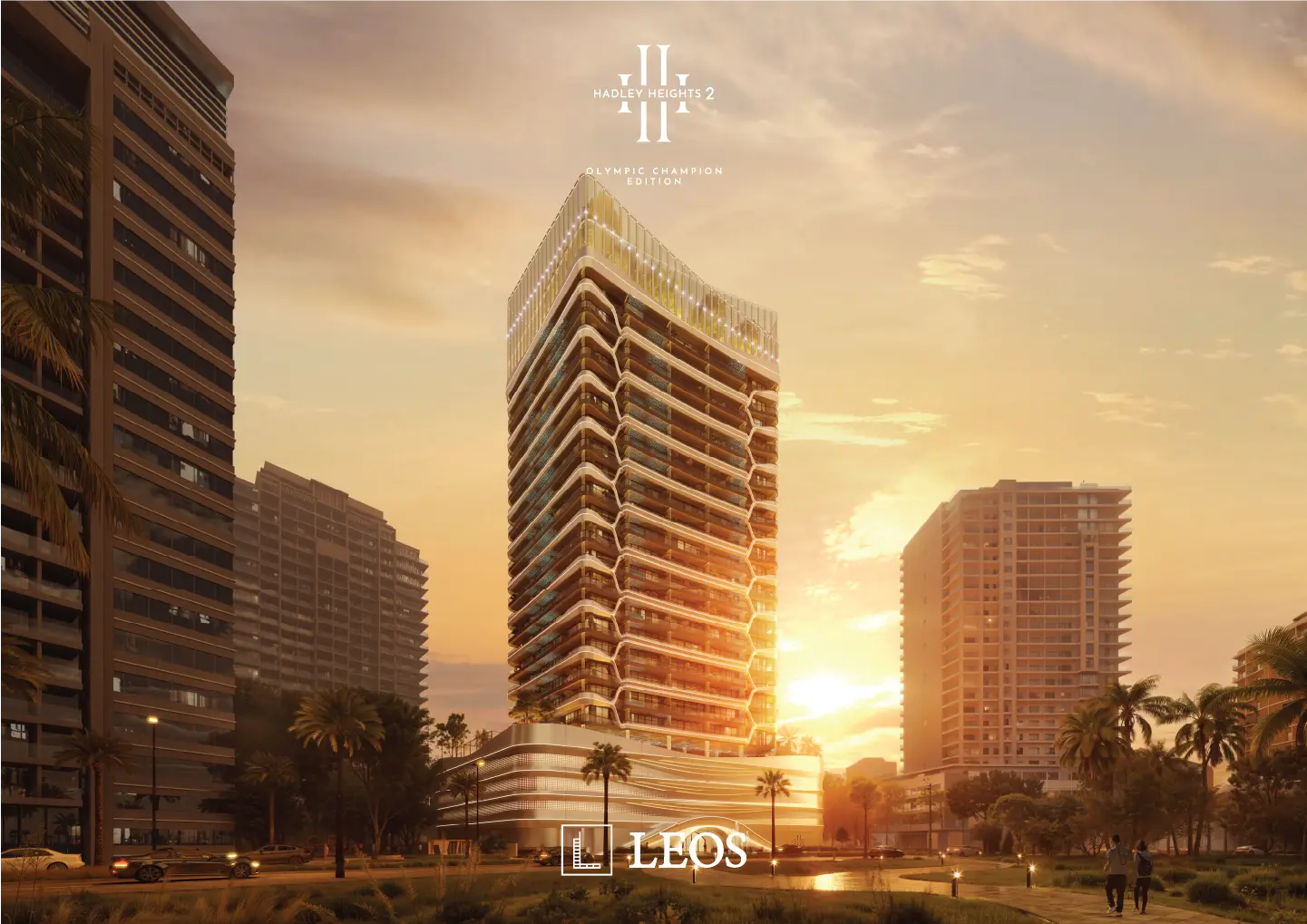
Dubai Sports City, Dubai
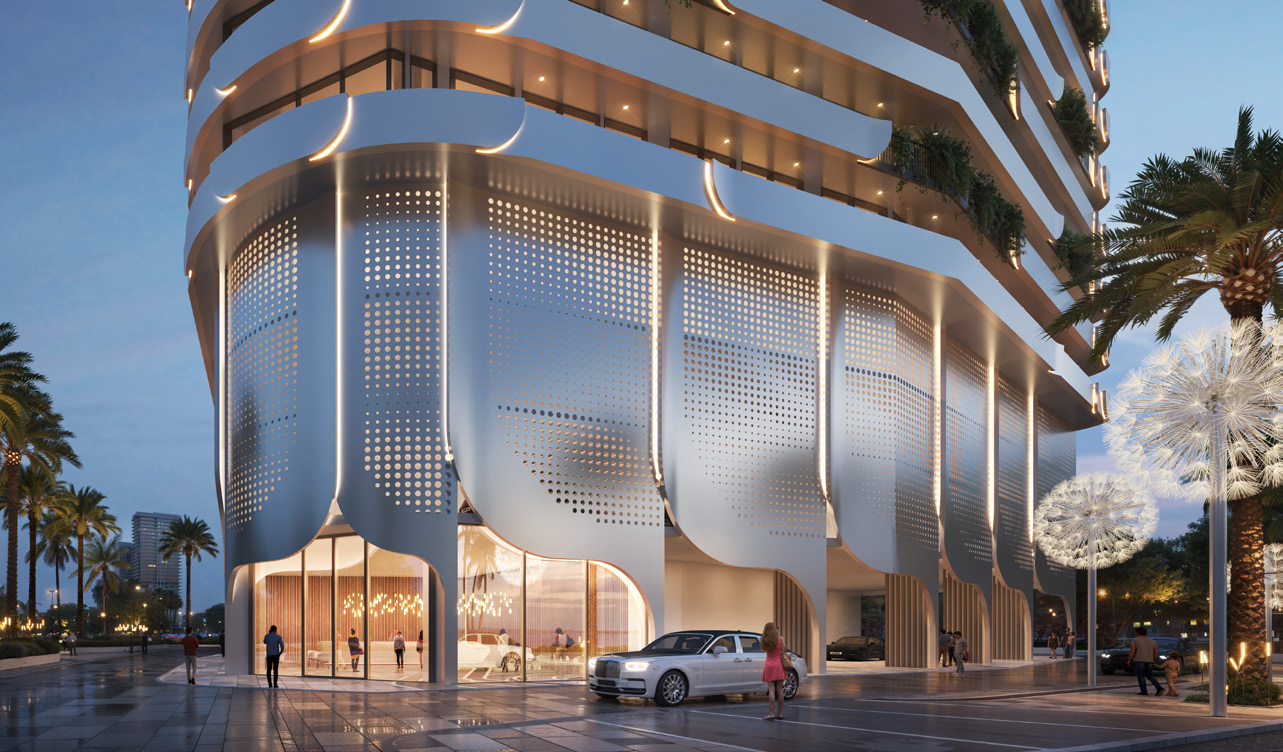
Hadley Heights 2
From AED 1.76M
Dubailand, Dubai
Weybridge Gardens 4
From AED 1.54M
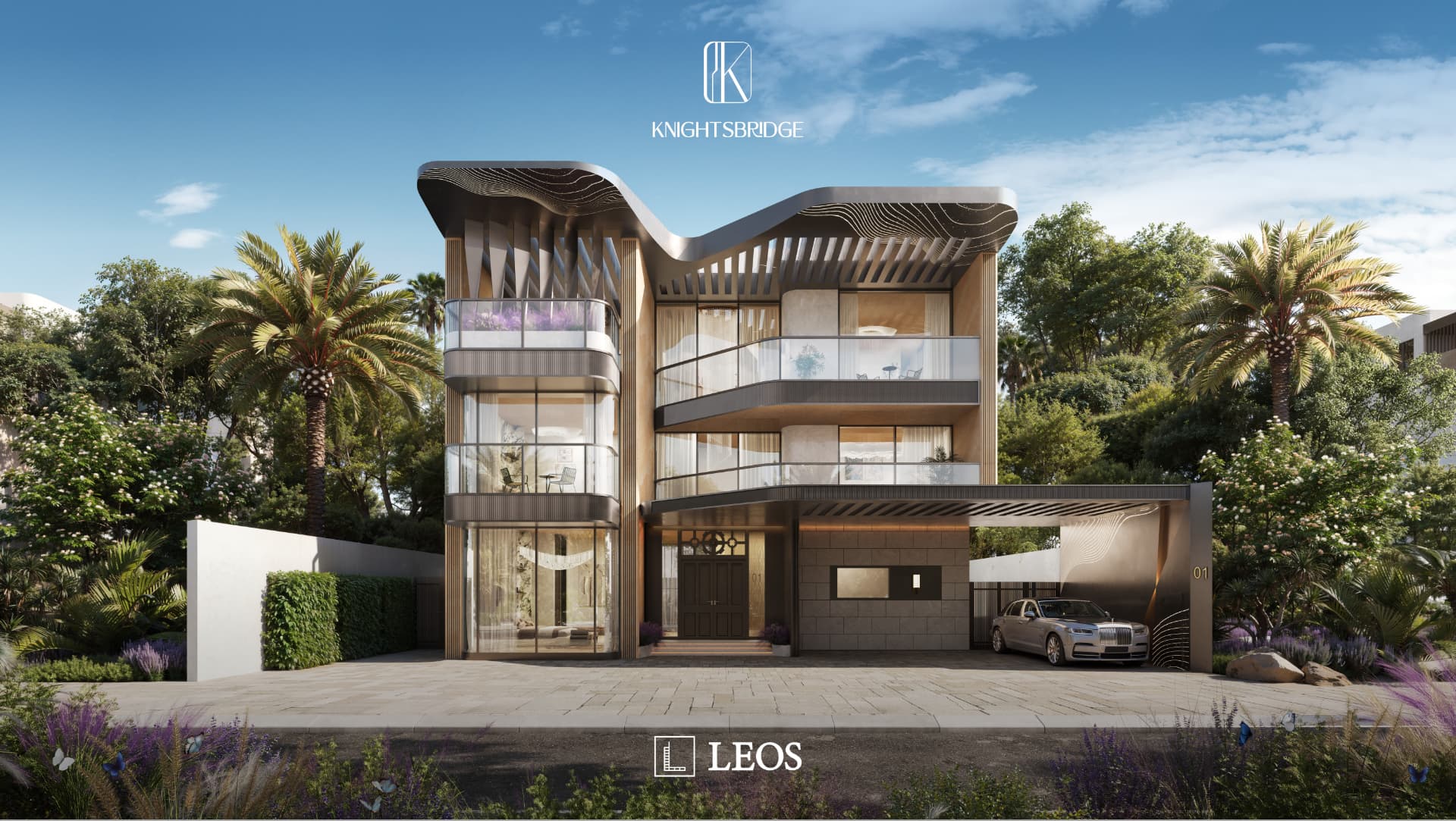
District 11, Meydan, Dubai
Knightsbridge 2
From AED 13.81M