Saadiyat Island · 3 min
Is Saadiyat Island Actually Scarce? Testing the Supply Argument
"There's no more land on Saadiyat" is the most repeated line in every sales conversation about the island. It's also only partly true. Here's what the masterplan data actually supports.
Last updated 22 September 2026
"Saadiyat is running out of land, so prices can only go up" is the single most repeated claim in Saadiyat sales conversations. It's also a claim that's rarely tested against the actual masterplan data, which, when you look at it, tells a more complicated story than pure scarcity.
The scarcity case, stated fairly
The argument has real substance for specific product. Saadiyat Beach Villas, the original Saadiyat Lagoons phases, and other early, now fully sold-out enclaves genuinely cannot be replicated, that land is built, sold, and not coming back to market as new supply. For anyone who already owns in one of these mature, delivered communities, scarcity of that specific asset type is a fact, not a sales pitch.
The complication: Marsa Al Saadiyat
Here's what the scarcity narrative usually leaves out. In July 2026, Aldar inaugurated Marsa Al Saadiyat, a AED 100 billion (~US$27.2 billion) waterfront masterplan covering 6.4 million square metres, with 8km of coastline including a 5.6km beach, 140km of walking paths, a 46km cycling loop, and what Aldar describes as set to become Abu Dhabi's largest marina. Aldar's own materials describe Marsa as activating "the final phase of Saadiyat Island's masterplan", and the planned population for Marsa alone is almost 60,000 people.
Sit with that number for a moment. Almost 60,000 planned residents is not a marginal top-up to an already-built-out island, it's one of the largest single releases of Saadiyat-branded residential capacity to date, and it came from land that clearly existed on Aldar's books all along. Knight Frank's 2026–2030 Abu Dhabi supply pipeline attributes roughly 3,250 units specifically to Saadiyat Island over that period, a figure that includes Marsa's initial phases.
What "final phase" actually means
Aldar's own language calls Marsa the final phase of the current masterplan. That's a real statement worth taking at face value, but it's a statement about the current plan's boundary, not an independently audited or legally binding guarantee that no further Saadiyat land will ever be released. Abu Dhabi's waterfront developments have been re-scoped before. "Final phase of what's currently planned" and "the last Saadiyat supply that will ever exist" are two different claims, and only the first one is something Aldar has actually said.
So is scarcity real or not?
Both, depending on what you mean by "Saadiyat." Scarcity of specific, already-delivered assets in mature, sold-out enclaves is a defensible, evidenced claim, that supply genuinely cannot be added to. Scarcity of "Saadiyat" as an undifferentiated brand-level claim is weaker: Aldar is actively releasing a large volume of new Saadiyat-branded supply through Marsa Al Saadiyat, on a scale that materially changes the total stock of homes carrying the Saadiyat name.
What this means for pricing
Knight Frank's data shows Saadiyat apartment prices up approximately 21% year-on-year to June 2026, a genuine, sourced fact about the past. Whether that continues depends on how the market absorbs Marsa's new supply as it comes online, alongside broader Abu Dhabi market conditions. Two plausible, opposing effects are both live here: Marsa's infrastructure investment (marina, rail connectivity, cultural and hospitality spend) could lift the whole island's positioning and support values broadly, including on existing, more mature stock. Alternatively, a large influx of new, competing branded supply could cap resale pricing on comparable existing product by giving buyers a newer, better-specified alternative at a similar price point. Neither effect is proven, and no study was found quantifying which will dominate, anyone telling you with confidence which way it goes is speculating, not reporting.
The honest framing for a buyer
If you're buying into an already-delivered, mature Saadiyat enclave, the scarcity argument for that specific product holds up. If you're buying into "Saadiyat" as a category, a new-launch apartment because "they're not making more Saadiyat", that claim needs the Marsa Al Saadiyat context attached to it, because a very large amount more Saadiyat is, in fact, being made.
Related analysis
Common questions
- Is Saadiyat Island running out of land?
- Not straightforwardly. Marsa Al Saadiyat, inaugurated in July 2026, adds a planned population of almost 60,000 people on a 6.4 million m² site, a significant new release of Saadiyat-branded supply, not evidence of an exhausted landbank.
- Did Aldar say Marsa Al Saadiyat is the final phase of Saadiyat?
- Yes - Aldar's own materials describe it as activating "the final phase of Saadiyat Island's masterplan." That's Aldar's characterisation of the current plan, not an independently verified guarantee against any future release.
- Does new supply on Saadiyat hurt existing property values?
- It could go either way, and no study proves which effect dominates. New infrastructure (marina, rail, cultural spend) could lift the whole island's positioning; a large influx of new competing stock could also cap resale pricing on comparable existing product. Both are plausible; neither is fact.
- Should I believe the scarcity argument when buying on Saadiyat?
- For specific, already-delivered, sold-out enclaves, yes, that scarcity is real. As a blanket claim about "Saadiyat" as a brand, it's weaker once Marsa Al Saadiyat's scale is accounted for.
Sources
- Aldar Properties - Marsa Al Saadiyat inauguration press release, 22 Jul 2026
- AGBI - Aldar unveils final phase of Saadiyat Island master plan, Jul 2026
- Knight Frank MENA - Abu Dhabi Residential and Office Market Review, H1 2026
Featured opportunities
The developments this analysis applies to, and the ones I'm personally representing right now.
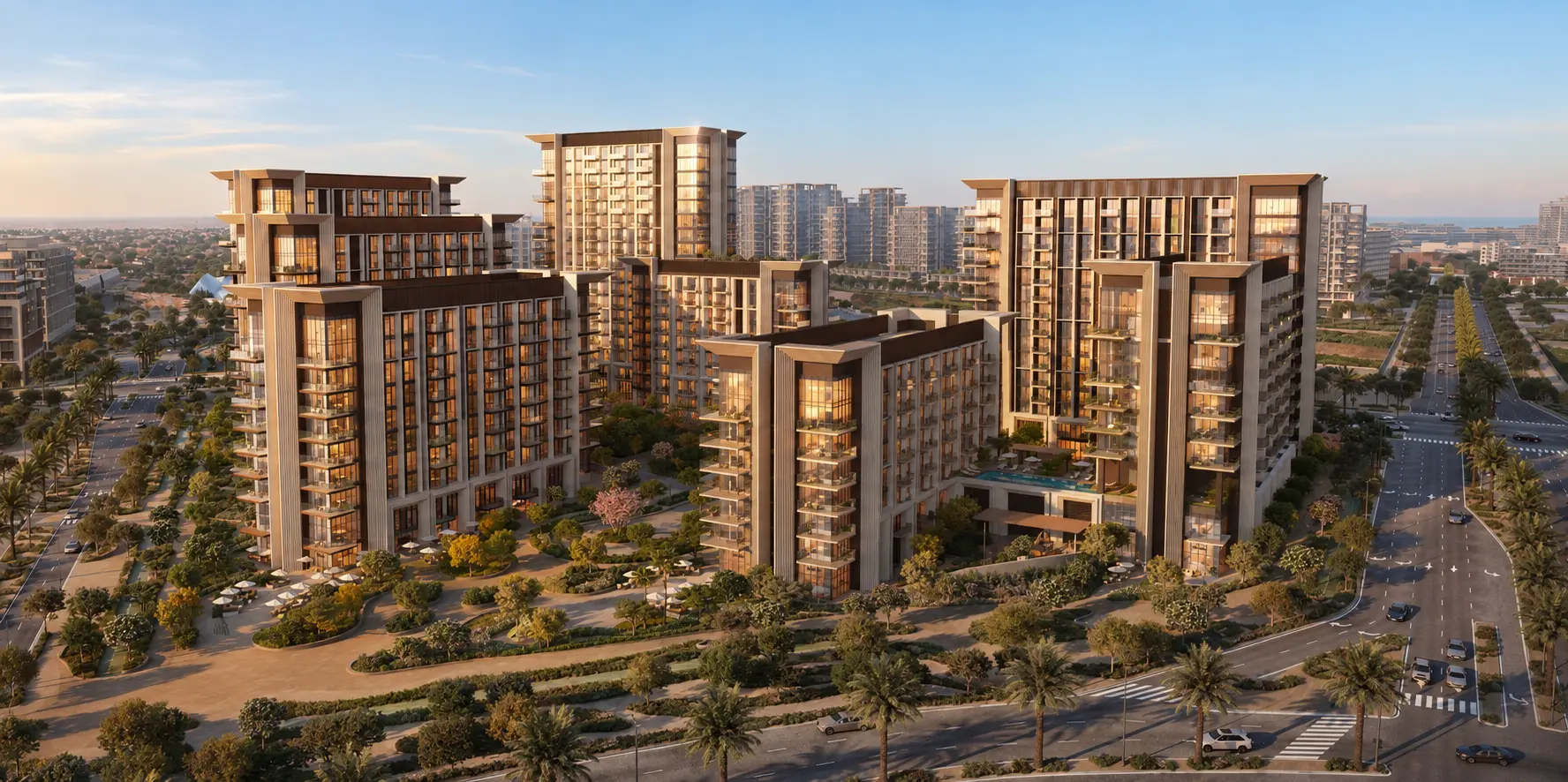
Saadiyat Island, Abu Dhabi
Sei, Saadiyat
From AED 2.95M
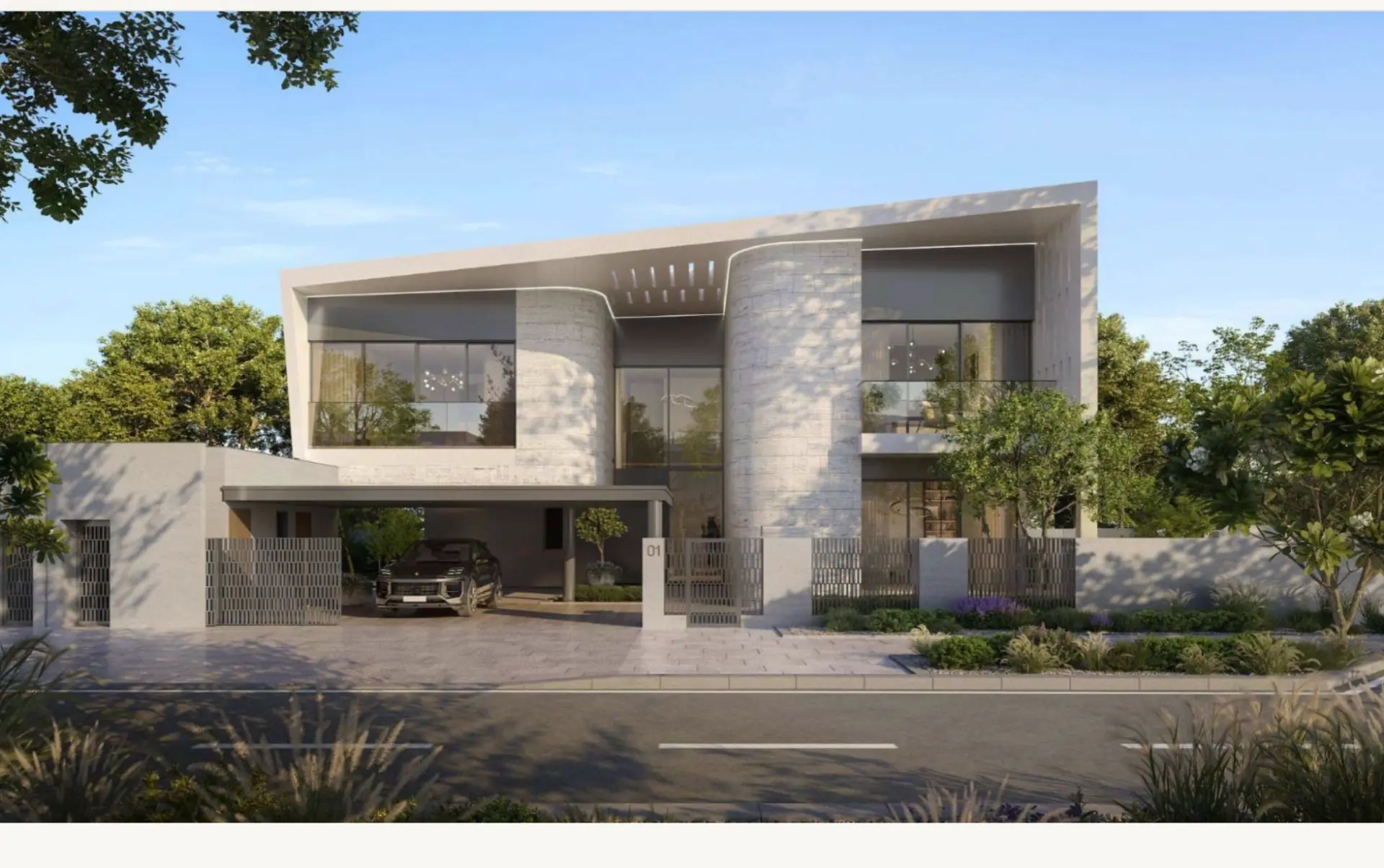
Marsa Al Saadiyat, Abu Dhabi
Talay, Marsa Al Saadiyat
From AED 13.5M
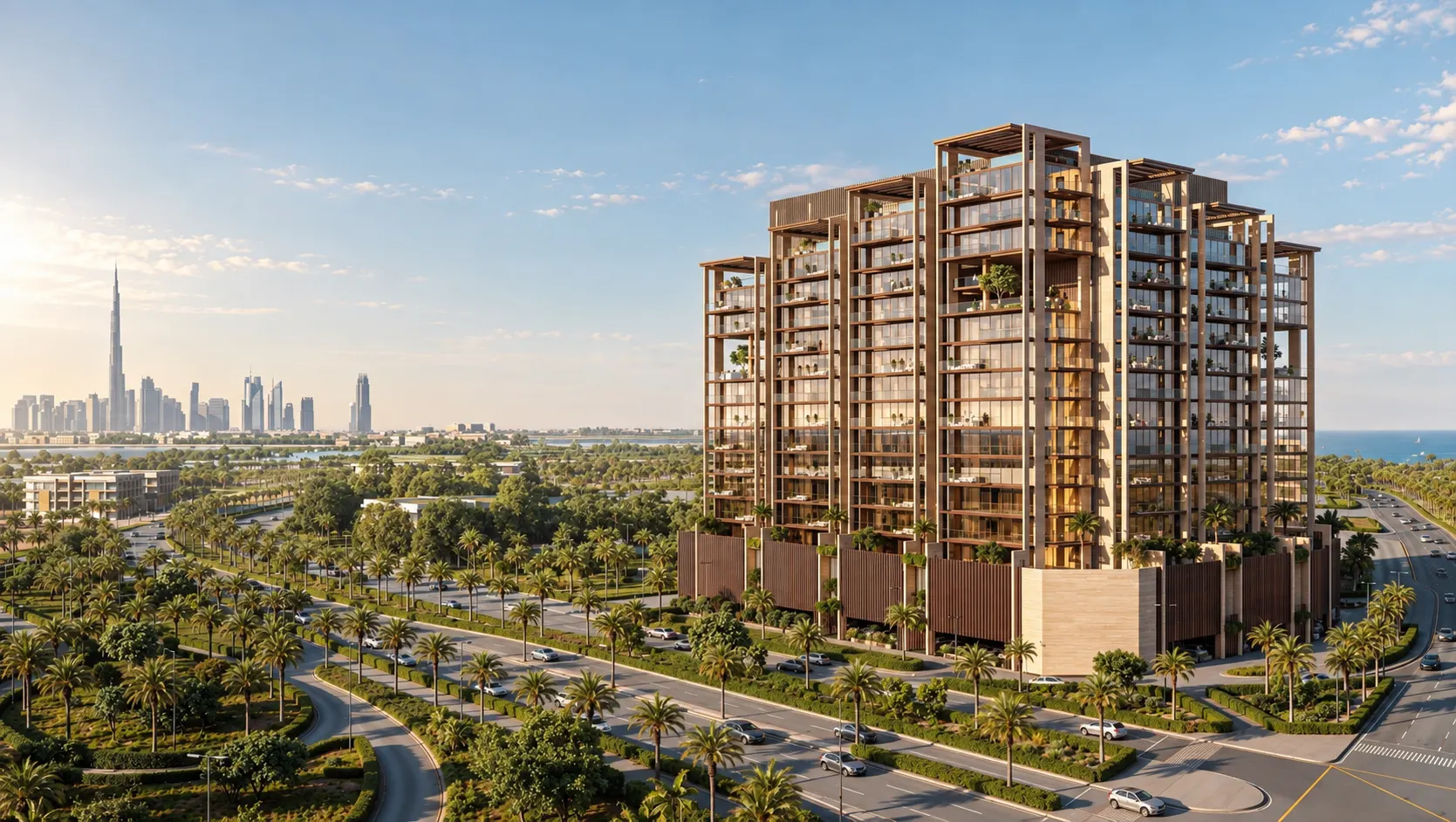
Dubai Islands, Dubai
Sea Cliff, Dubai Islands
Price on request
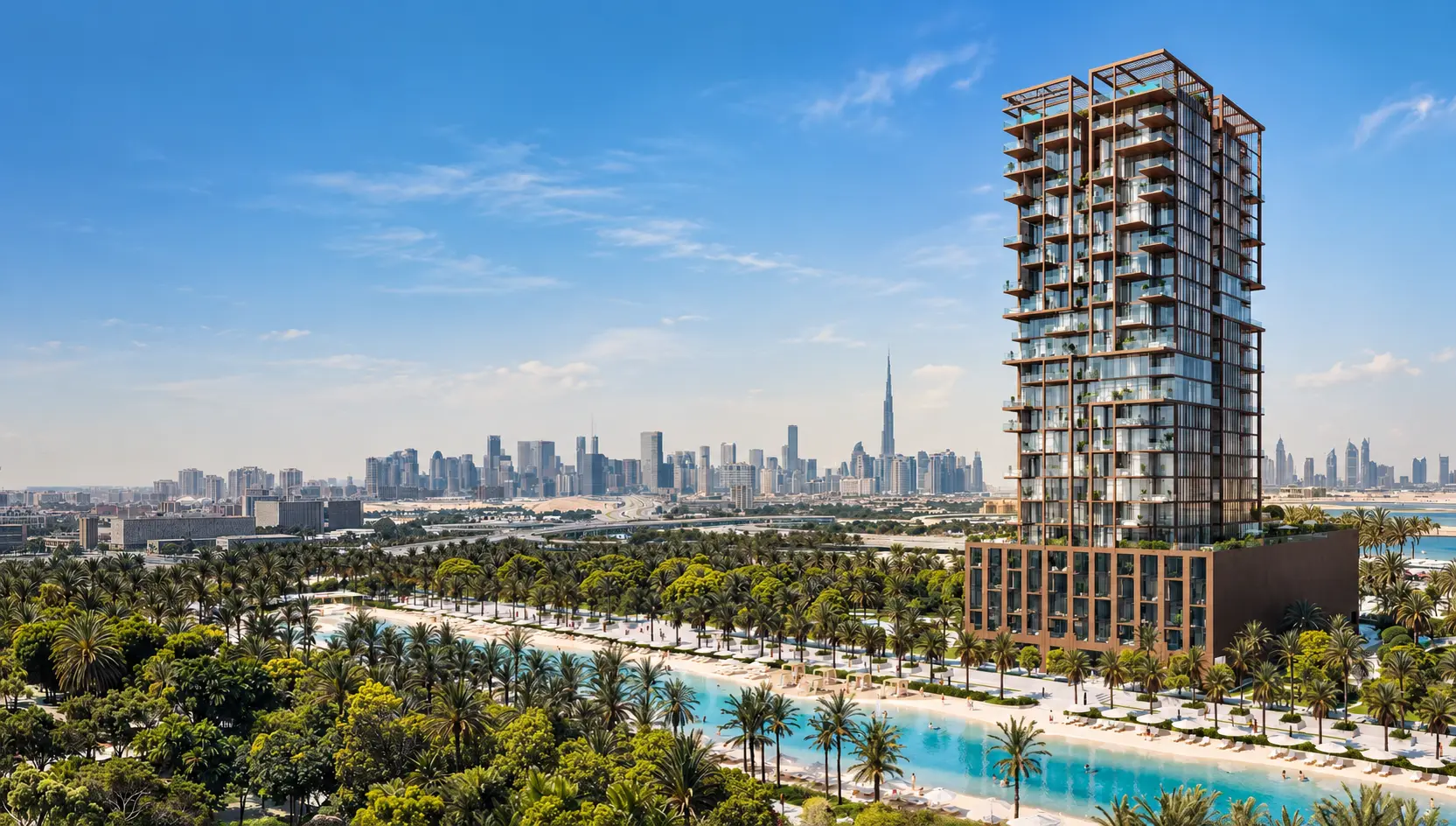
Meydan, Dubai
Wynwood Horizon
From AED 1.97M
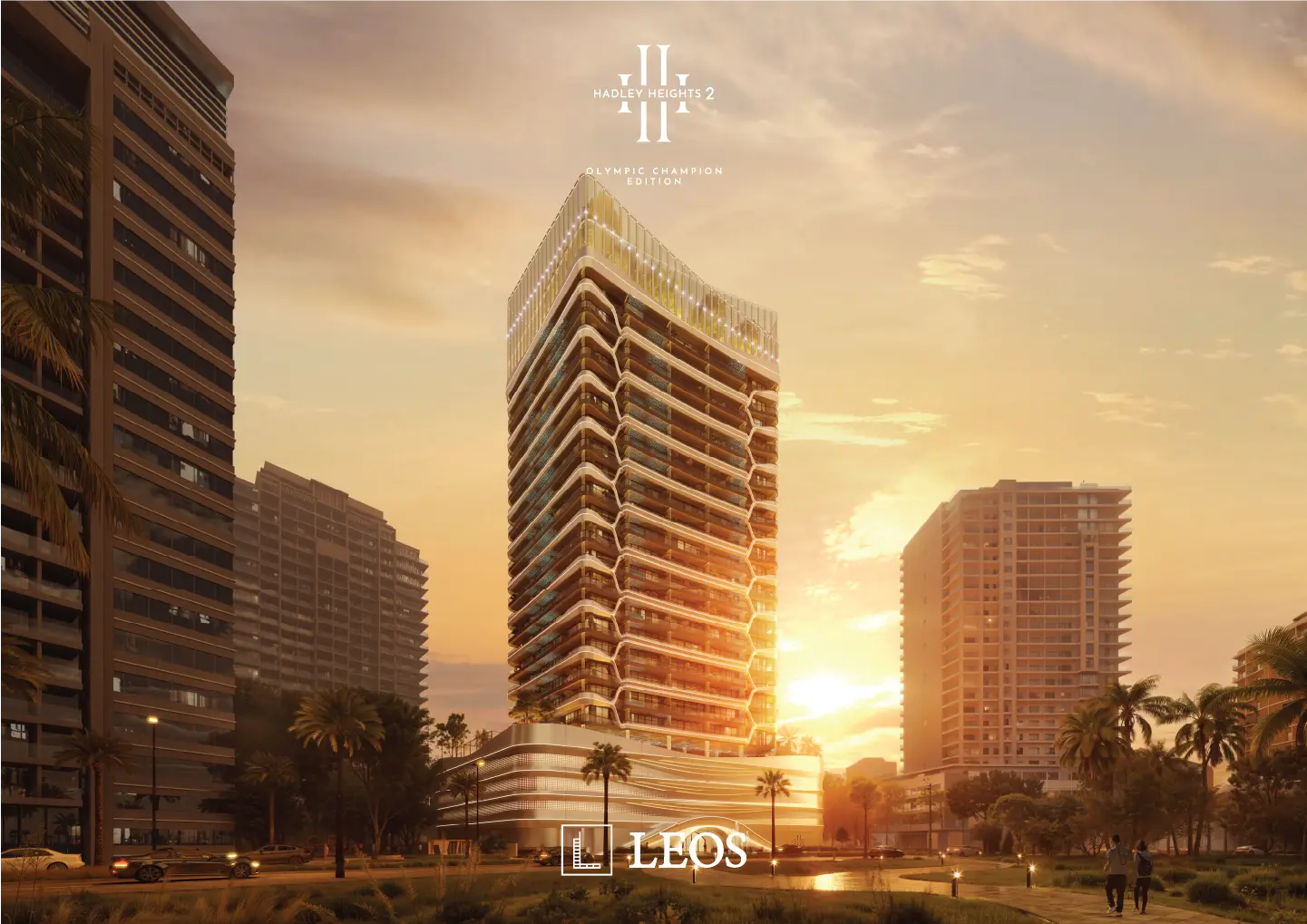
Dubai Sports City, Dubai
Hadley Heights 2
From AED 1.76M
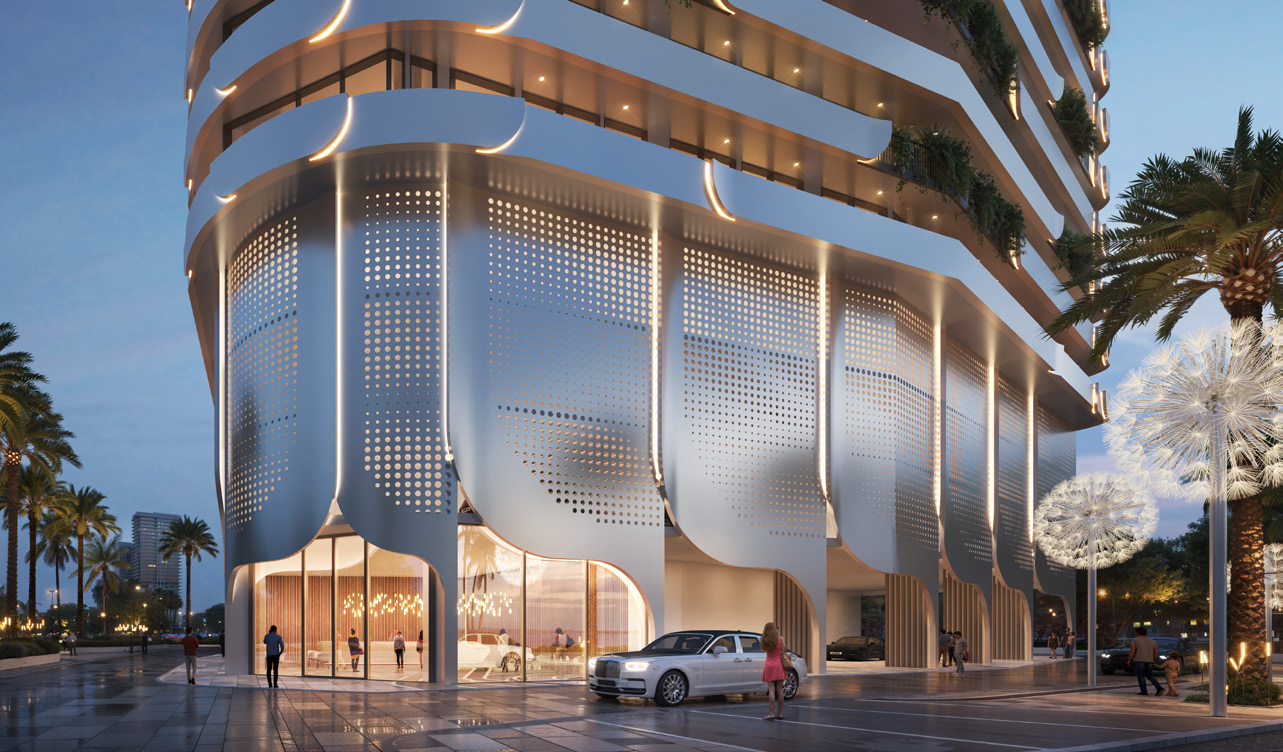
Dubailand, Dubai
Weybridge Gardens 4
From AED 1.54M
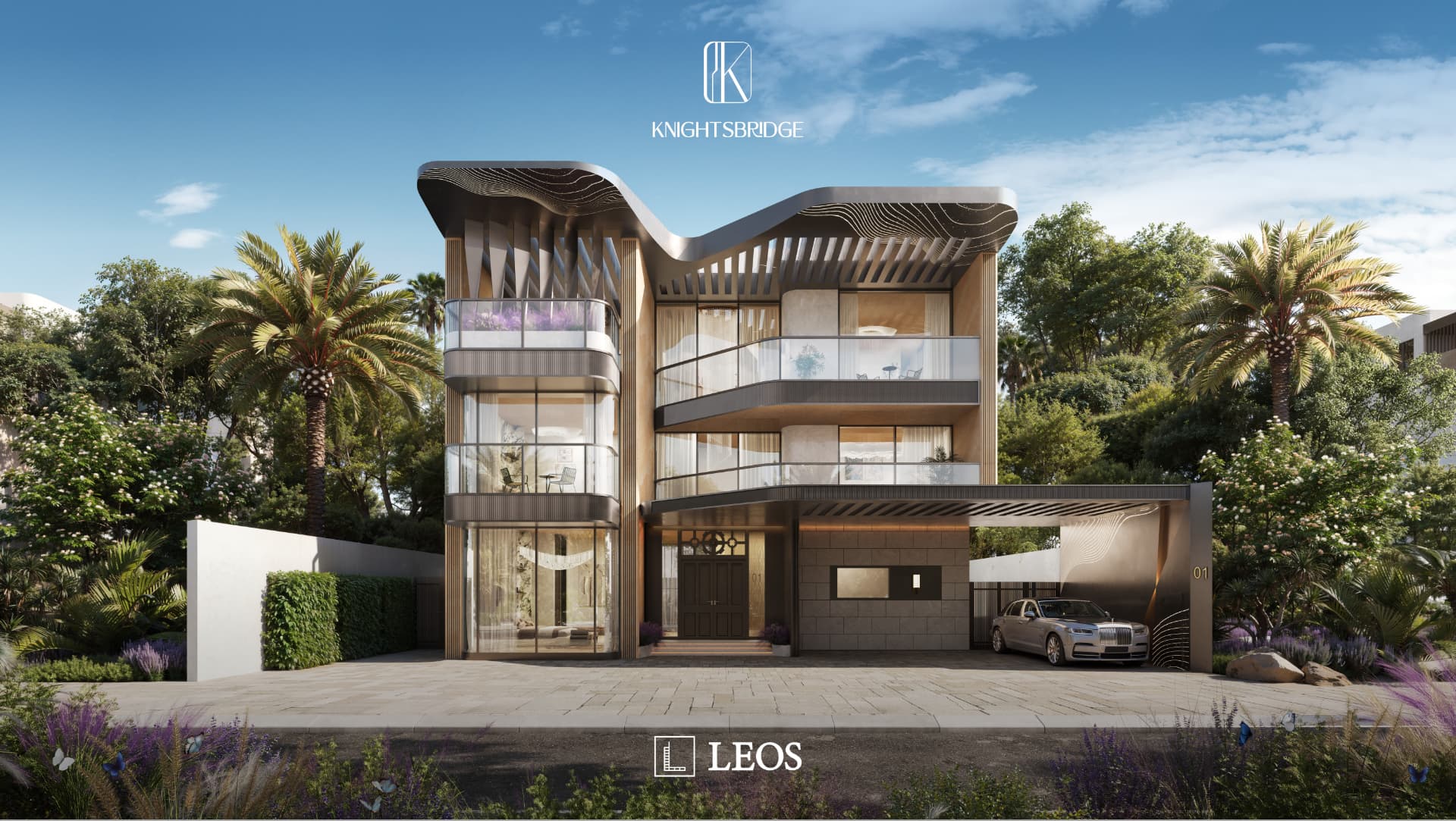
District 11, Meydan, Dubai
Knightsbridge Phase 2
From AED 13.81M