Saadiyat Island · 3 min
Sei Saadiyat: Investment Analysis
Sei Saadiyat's numbers are public; its investment case is not yet provable. Here's what the entry price, handover timing and comparable market data actually support, and what remains a forward bet.
Last updated 22 September 2026
Sei Saadiyat launched on 7 September 2026 with a published price, payment plan and handover date. That's more clarity than most off-plan buyers get at this stage. What it doesn't have, because it can't, yet, is a resale history, a rental track record, or a completed comparable in the same precinct. This is an analysis of what the entry numbers can and can't tell you.
What's confirmed
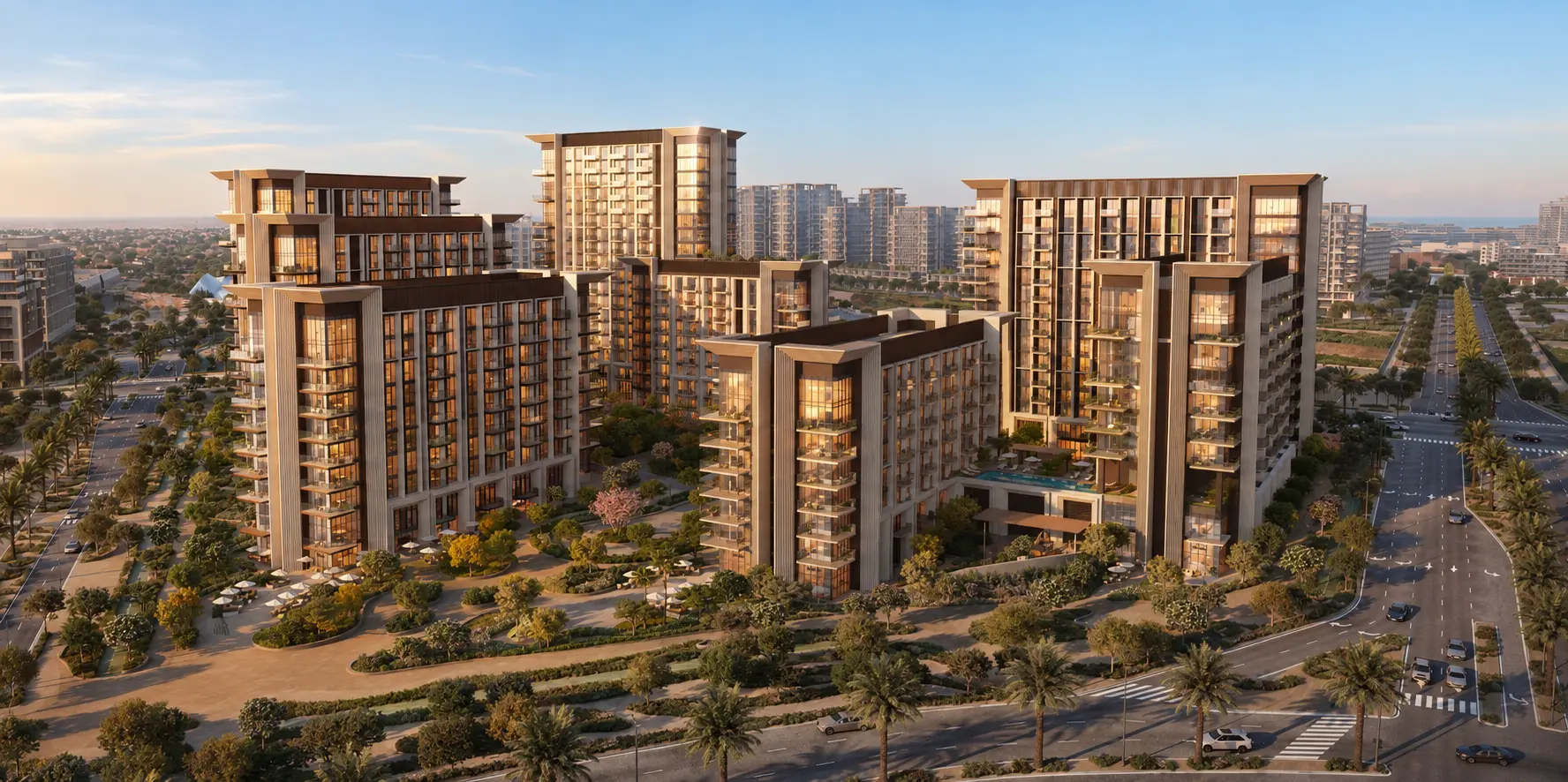
Entry price AED 2.95 million for 70 m² (roughly AED 42,140/m² at the smallest unit size, before any premium for higher floors or larger layouts). Payment: 50/50 with a 5% booking option. Handover: Q4 2030. Six towers, 778 units, spanning 1-bed through 3-bed Kanso Residences and 2-bed Kanso Lofts.
Pricing it against the market
Knight Frank's H1 2026 review put Saadiyat apartment prices at approximately AED 43,100/sqm on a blended basis, up roughly 21% year-on-year to June 2026, the highest of any Abu Dhabi apartment market. Sei's entry price at the smallest unit size sits close to that blended market average, which is a reasonable read for a new-launch entry point: it isn't priced at a discount to the existing market, nor is it priced at a premium that assumes years of further appreciation before it's justified.
That 21% figure describes 2025–2026. It says nothing about 2027 onward, and past appreciation on delivered Saadiyat stock is not evidence about what an unbuilt Sei Saadiyat unit will be worth at handover in 2030. Any projection beyond the current entry price is speculation, not analysis, and should be treated as such regardless of who's making the claim.
The five-year question
A Q4 2030 handover is the single biggest variable in this investment case. Four-plus years is enough time for market conditions, supply pipeline and buyer sentiment to shift meaningfully - Abu Dhabi's own 2026–2030 pipeline includes roughly 37,000 new residential units, with Saadiyat itself absorbing part of that through Marsa Al Saadiyat's phased releases. A buyer underwriting Sei today is underwriting Aldar's execution, the wider market's trajectory, and their own liquidity for four to five years before the asset exists to sell or rent.
Rental yield: projection, not track record
There is no completed Sei Saadiyat unit to point to for actual achieved rent. Any yield figure quoted to you before handover is a projection built from comparable Saadiyat product, reasonable as a planning tool, not defensible as a promise. For comparison, Knight Frank's data implies Saadiyat's premium positioning supports rental levels consistent with its status as Abu Dhabi's most expensive apartment market by price per sqm, but a 2030-delivery unit's actual achievable rent depends on the state of the wider Saadiyat and Marsa Al Saadiyat supply pipeline at that time, including how much of the ~3,250-unit 2026–2030 Saadiyat pipeline (Knight Frank) is competing for tenants by then.
Where the case is genuinely strong
Sei's advantage over a purely speculative pre-launch project is that its numbers are already public and verifiable against Aldar's own materials, rather than relying on a broker's projection. The Cultural District location is a fixed, non-replicable asset - Louvre Abu Dhabi, NYUAD and the other institutions aren't moving, and that anchors long-term demand in a way a generic residential location can't claim. And the unit mix genuinely spans a wide size range, giving flexibility for different exit strategies (a compact 1-bed for rental yield, a larger Kanso Residence for eventual owner-occupation).
Where it's weakest
The long handover horizon, the absence of any resale comparable, and the fact that a meaningful volume of new Saadiyat-branded supply (via Marsa Al Saadiyat) is entering the same broad market over the same period. None of these make Sei a bad investment, they make it an investment whose case rests on Aldar's execution and the island's longer-term positioning, not on numbers you can check today.
Related analysis
Common questions
- Is Sei Saadiyat a good investment?
- Its entry price is in line with current Saadiyat apartment averages rather than at a discount or an unjustified premium. Whether it performs depends on Aldar's execution over a roughly four-year build period and the state of the market at 2030 handover, neither of which can be verified today.
- What rental yield can I expect from Sei Saadiyat?
- No figure can be stated as fact since no units exist yet to rent. Any yield quoted before handover is a projection based on comparable Saadiyat product, not a track record.
- How does Sei Saadiyat's price compare to the Saadiyat market average?
- Its entry price per square metre is broadly in line with Knight Frank's H1 2026 blended Saadiyat apartment average of roughly AED 43,100/sqm.
- What's the biggest risk with buying Sei Saadiyat off-plan?
- The Q4 2030 handover date, a long window during which market conditions, the wider Saadiyat/Marsa Al Saadiyat supply pipeline, and Aldar's own delivery execution can all shift the eventual outcome.
Sources
- Knight Frank MENA - Abu Dhabi Residential and Office Market Review, H1 2026
- Aldar Properties - Sei Saadiyat project page
Featured opportunities
The developments this analysis applies to, and the ones I'm personally representing right now.
Saadiyat Island, Abu Dhabi
Sei, Saadiyat
From AED 2.95M
Marsa Al Saadiyat, Abu Dhabi
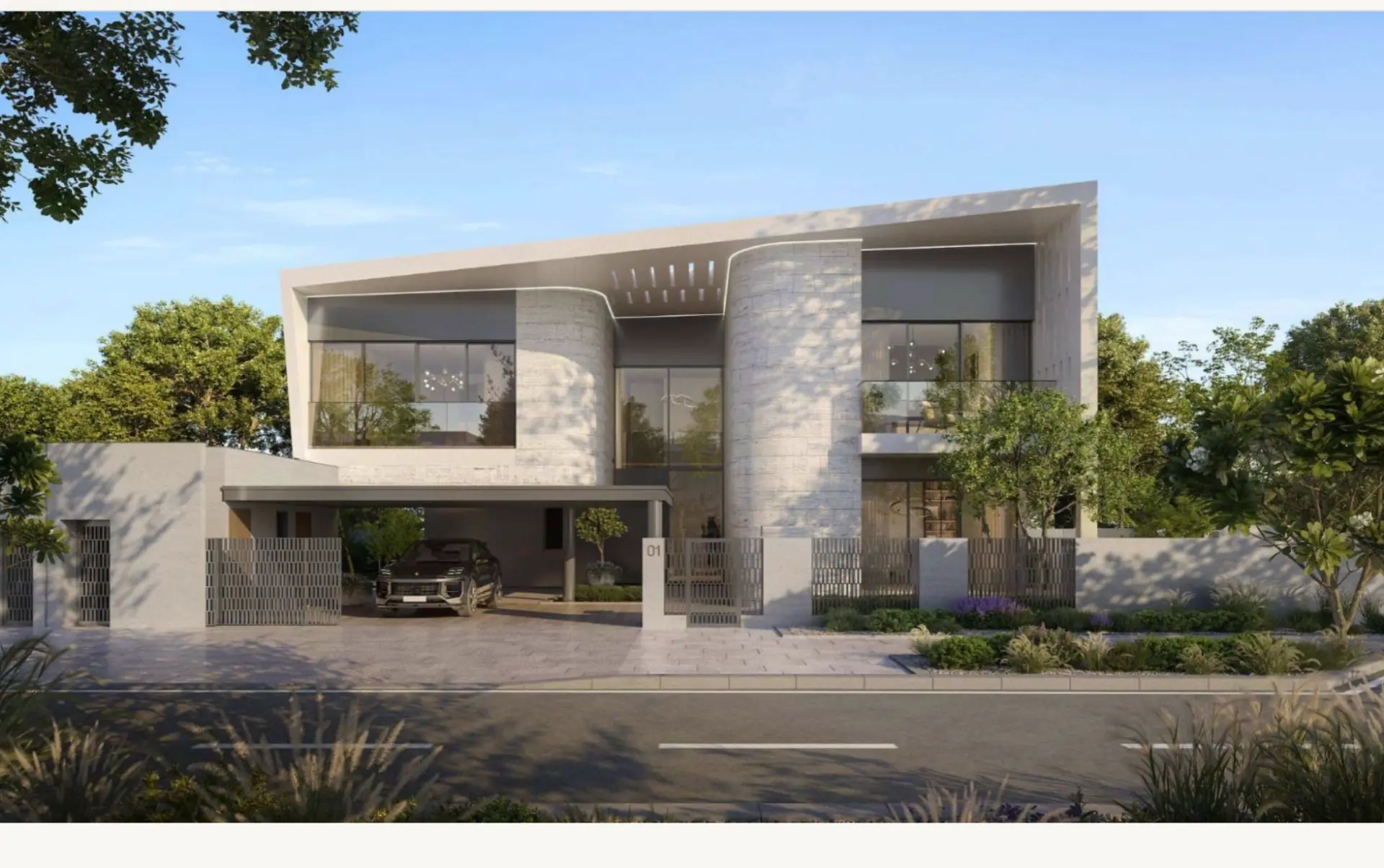
Talay, Marsa Al Saadiyat
From AED 13.5M
Dubai Islands, Dubai
Sea Cliff, Dubai Islands
Price on request
Meydan, Dubai
Wynwood Horizon
From AED 1.97M
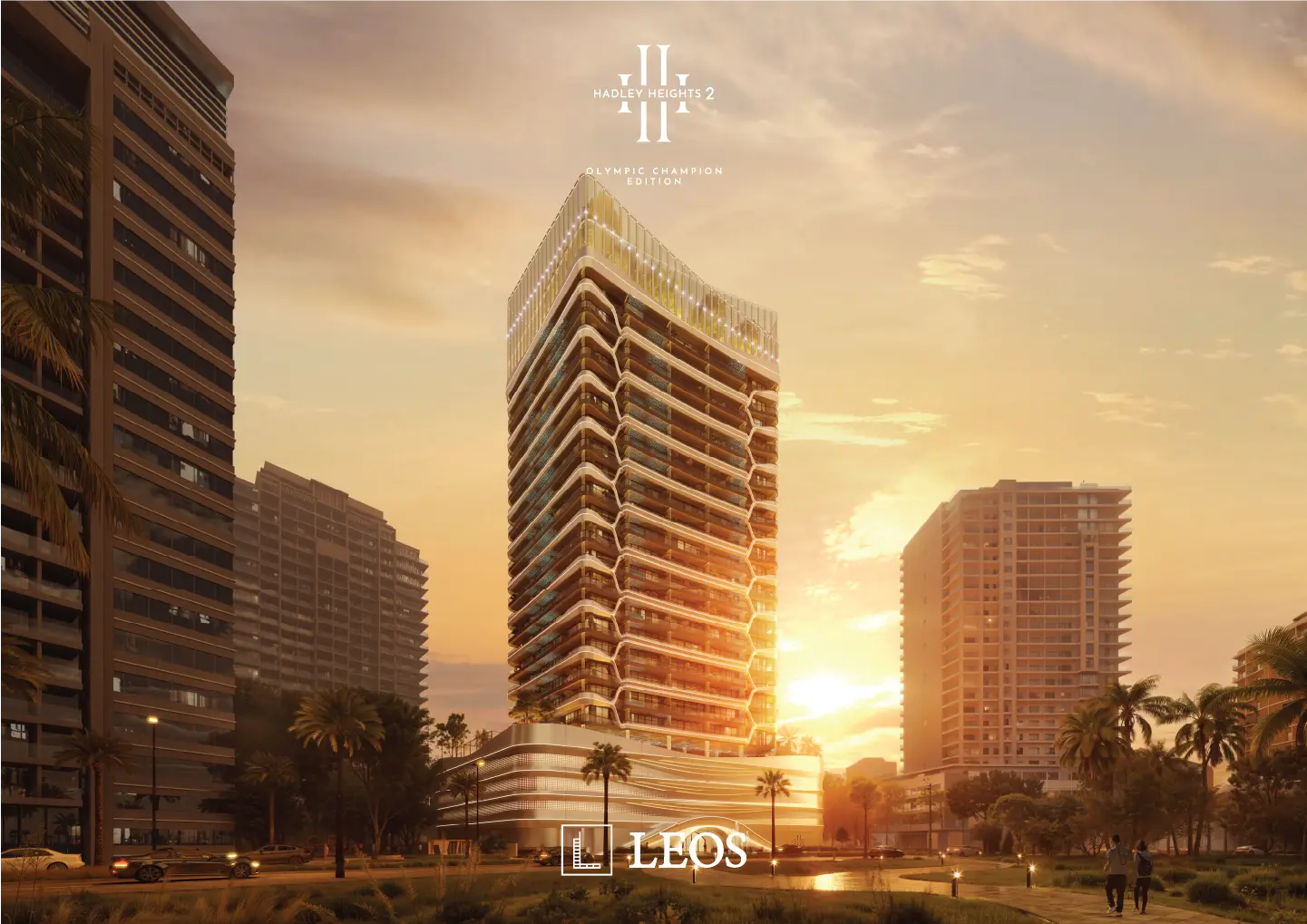
Dubai Sports City, Dubai
Hadley Heights 2
From AED 1.76M
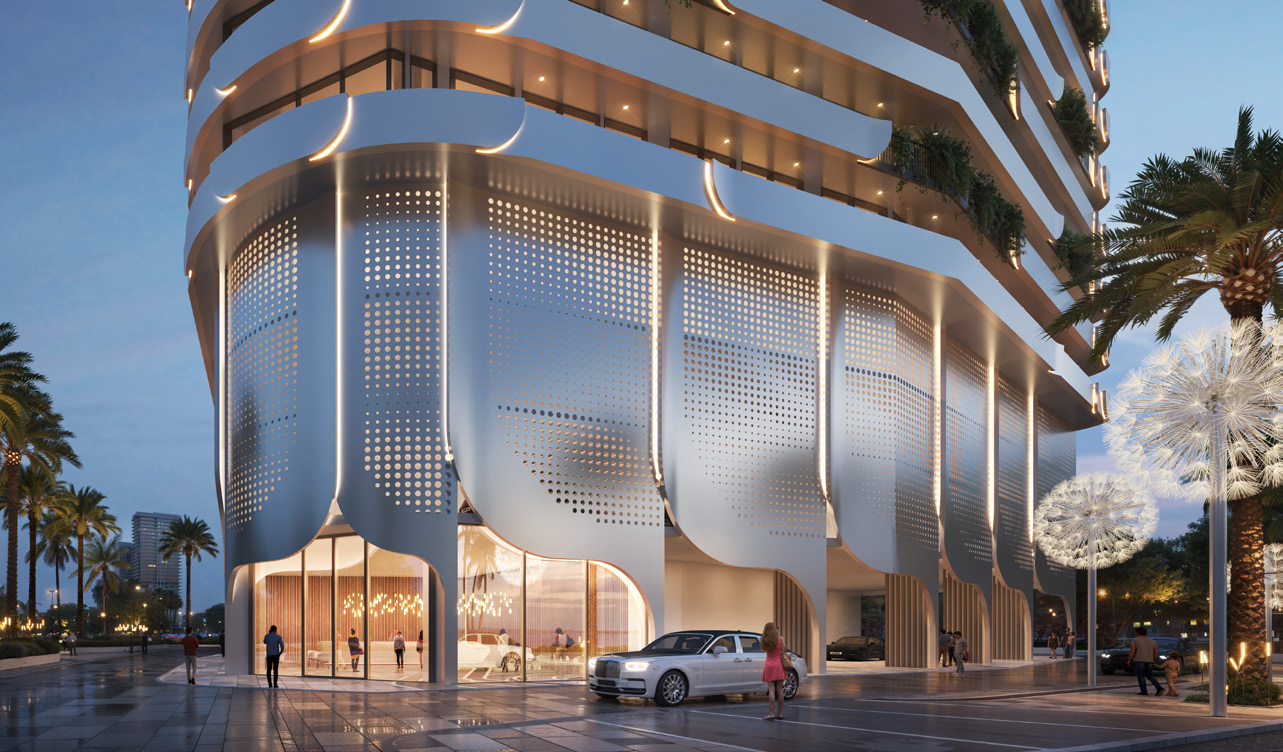
Dubailand, Dubai
Weybridge Gardens 4
From AED 1.54M
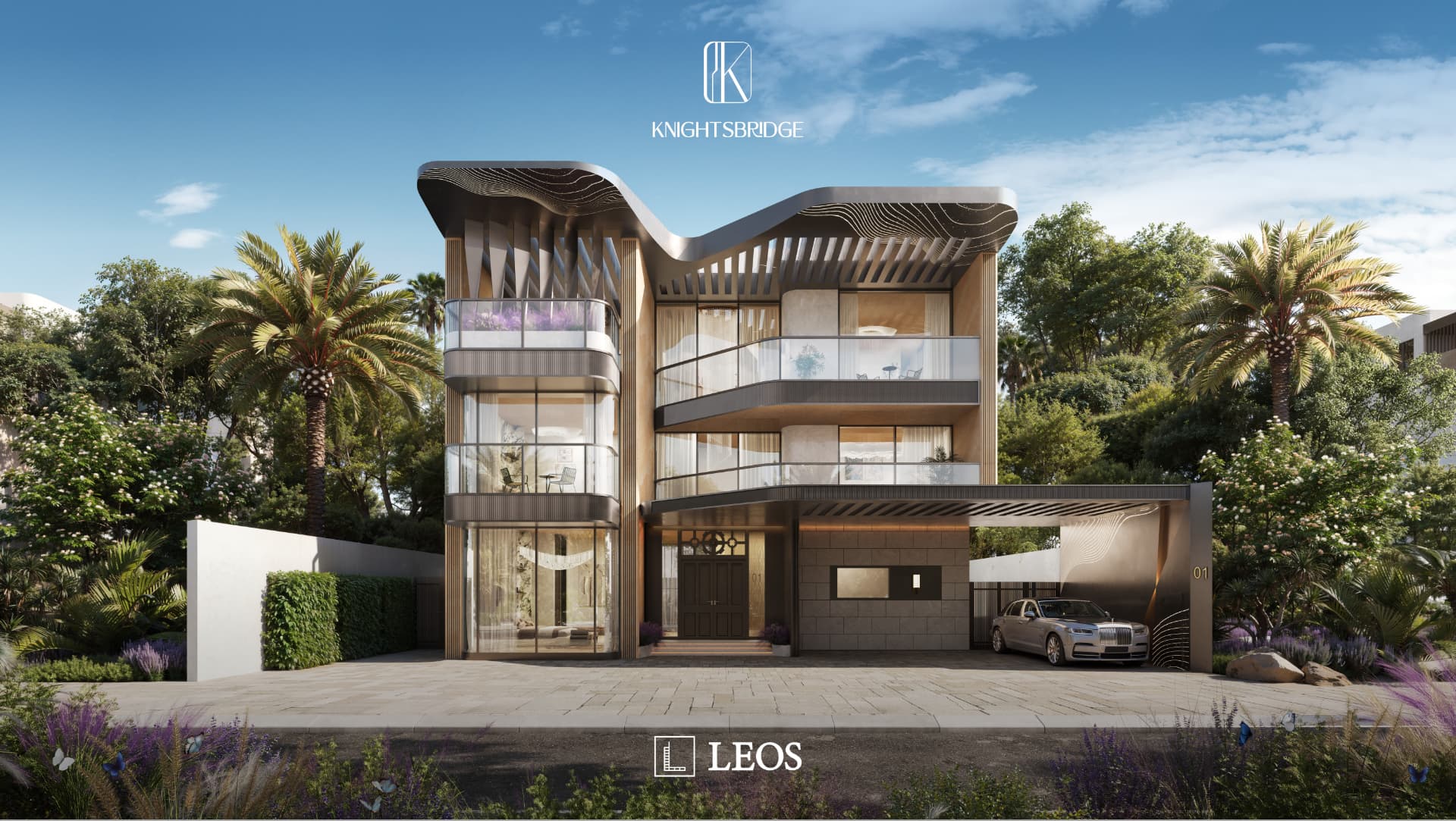
District 11, Meydan, Dubai
Knightsbridge Phase 2
From AED 13.81M